Corcovado National Park, on the Osa Peninsula in the far south of Costa Rica, is the country’s most remote and most celebrated stretch of rainforest. It is a place of enormous trees, rivers, beaches and wildlife, where trails are long, the weather is hot and humid, and the experience is as raw as anything the country offers. It rewards good planning and a serious guide. Here is how to approach a visit in comfort, and what to confirm before you go.
What Corcovado is like
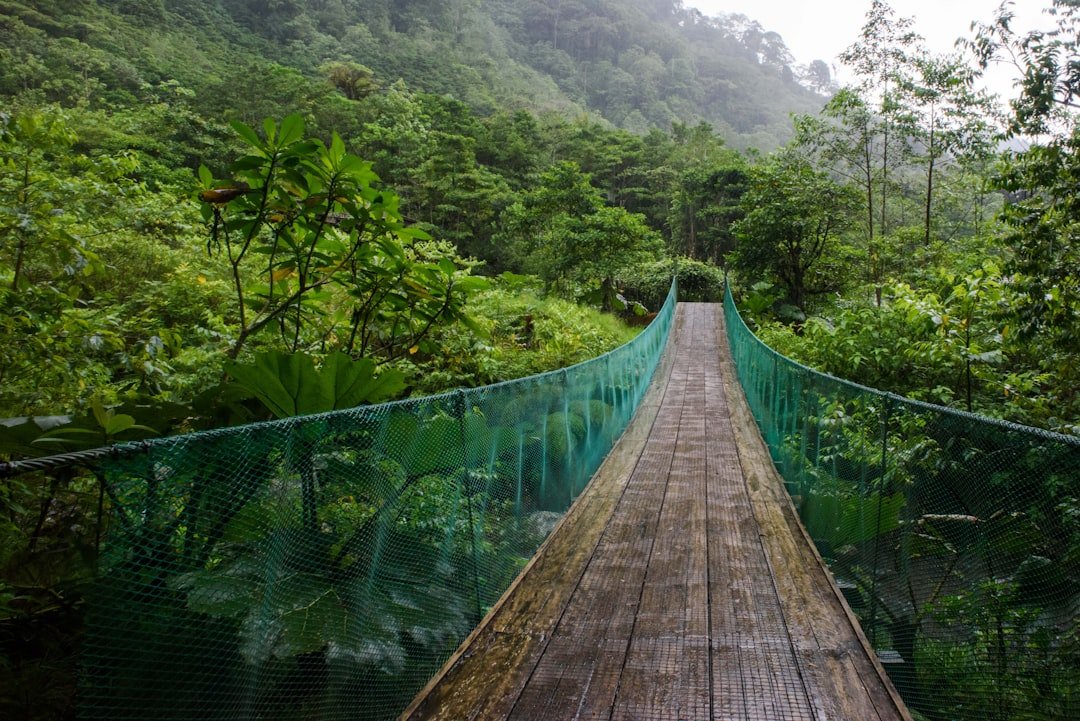
Corcovado protects a large area of lowland rainforest, beaches and coastline on the Pacific side of the Osa Peninsula. Visitors walk through dense jungle, cross rivers and tide-affected stretches, and may spend time on beaches where tapirs, monkeys and scarlet macaws are sometimes seen. It is wild, remote and physically demanding, and you will be exposed to heat and humidity.
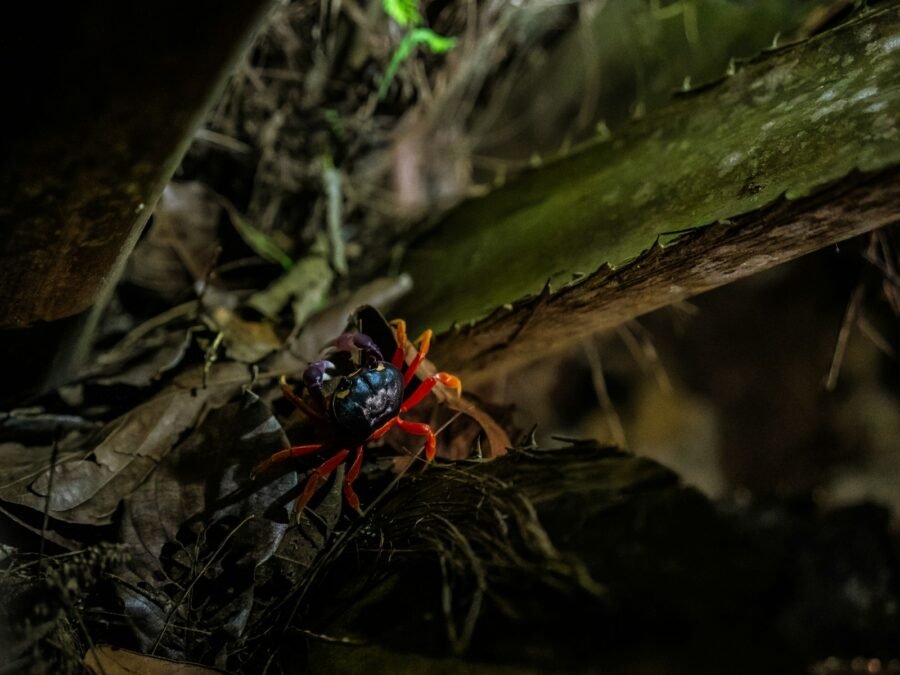
Wildlife encounters depend on luck, season and your guide’s skill. Many visitors see monkeys, birds and reptiles; sightings of larger mammals are never guaranteed. Always treat the animals with respect and keep a safe distance.
Rules, permits and guides
Visits to Corcovado are managed by Costa Rica’s protected-area authorities. In recent years, visitors have generally needed to enter with a certified guide and to have a reservation or permit for specific entrances and dates. Rules, entrances and fees change, so always confirm the current requirements with your guide or lodge before you plan. We do not list fees here because they are subject to change.
A good guide also makes a visit safer and richer. Ask about the guide’s certifications, group size, and the pace of the hike.
How to get there
The two main gateways are Puerto Jiménez, on the east side of the peninsula, and Drake Bay, on the north. Access can be by road, by boat or by a domestic flight to a nearby airstrip, depending on the route. Journey times are long, and roads or river crossings can be affected by weather, so allow buffer days on either side. Our guide to the Osa Peninsula explains the region in more depth, and getting around Costa Rica covers the wider transport picture.
Day trip or multi-day visit?
- Day trip: a guided hike from a nearby lodge, usually from a coastal entrance, suitable for visitors who want a taste of the park.
- Overnight: staying at or near a ranger station allows a deeper experience, but facilities are basic and the schedule is demanding.
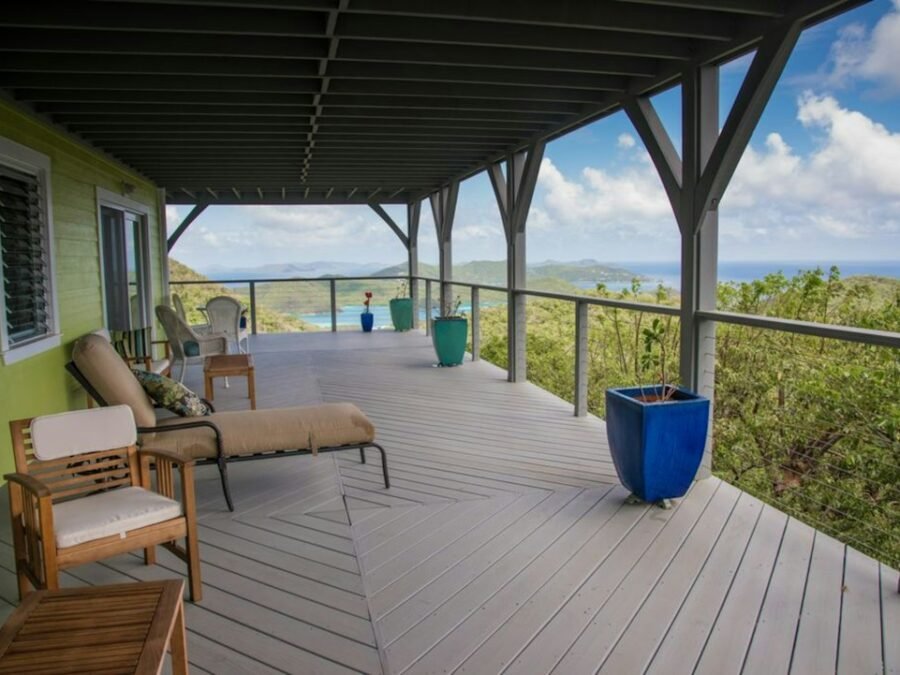
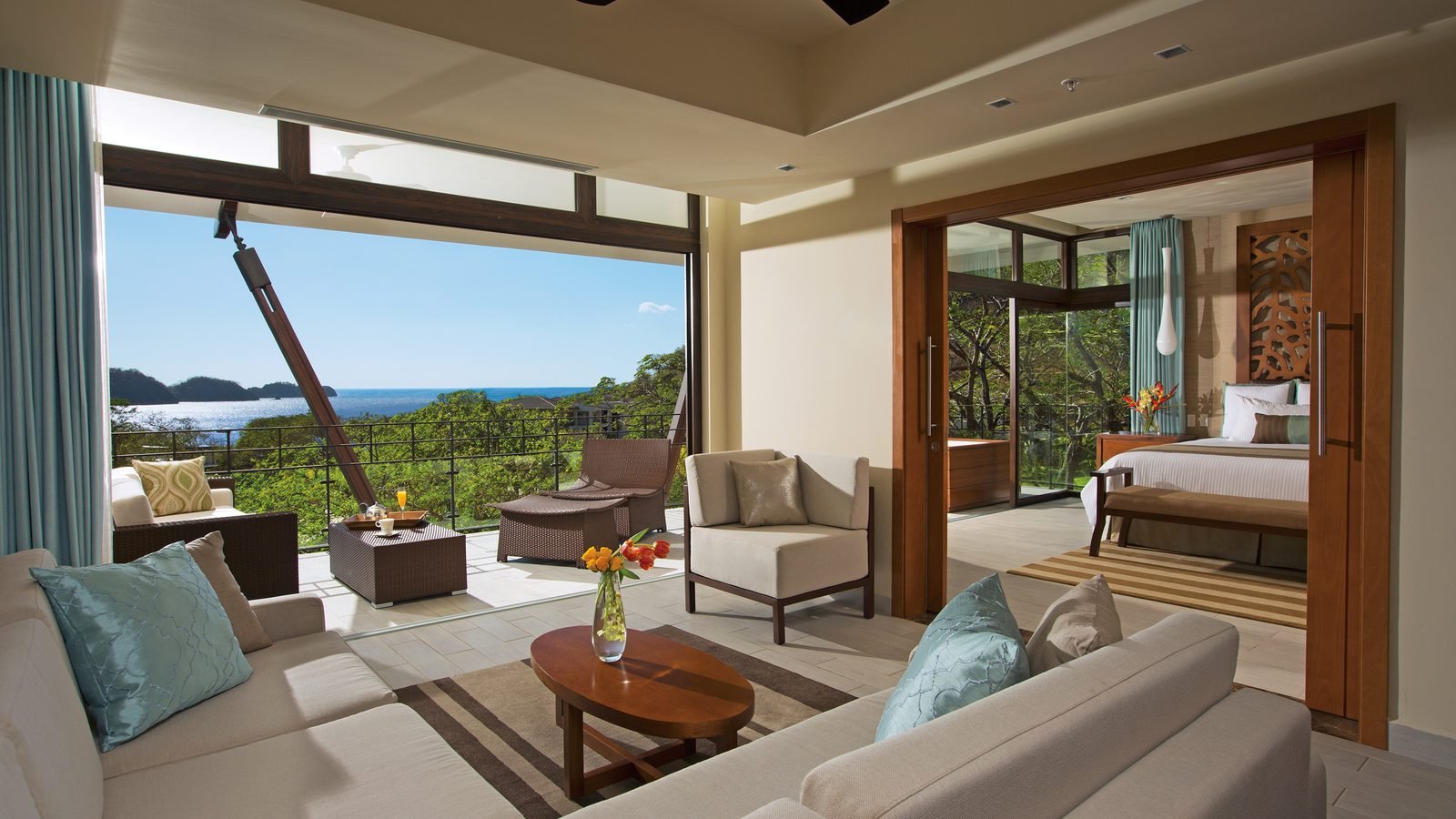
- Combination: many luxury travelers stay at a lodge or villa on the peninsula and make guided day trips, returning for a shower, a meal and a comfortable bed.
If you prefer comfort, the third option is usually the best balance.
What to pack and expect
Wear light, quick-drying long clothing, sturdy shoes that can get wet, a hat, insect repellent and reef-safe sunscreen. Carry plenty of water and snacks, a rain layer and a small dry bag for electronics. Heat and humidity are intense, and the walk can be strenuous, so be realistic about your fitness level and tell your guide about any health concerns.
The best season
The dry season, roughly December through April, usually brings easier trail conditions and calmer seas, although it is also the busiest period for permits and accommodation. The green season is lush and wild, with heavy rain and sometimes difficult access. Ask your guide for current conditions and book early for peak weeks.
Pairing Corcovado with a luxury stay
Corcovado works best as part of a longer trip. Pair it with a few days in the south Pacific hills, for example around Dominical and the whale coast, or with a beach stay on the Pacific. See how many days to spend in Costa Rica to decide how much time to allow, and private villas for villa options in other regions.
Practical tips for an easier visit
Start early. The best wildlife activity is at dawn, and the heat builds quickly. Arrive at the entrance on time, because the guide may have a fixed schedule and a permit window. Eat a solid breakfast, drink water regularly and rest when your guide suggests it.
Keep a flexible plan. Weather, river levels and permits can change schedules, so avoid tight connections around the visit and consider building in a buffer day. If your group includes older relatives or children, tell your lodge in advance so that they can suggest shorter or easier routes.
Finally, think about the full arc of the trip. After a day in the rainforest, a villa, a private chef and a quiet pool are a welcome contrast. See private villas, staffed villas and Dominical for places that pair well with the Osa Peninsula.
Plan your stay with Allure
Tell us your dates, the size of your group and the atmosphere you want, and we will prepare a tailored selection of villas and resorts. Send us your request or browse our luxury resorts and private villas.
Frequently asked questions
Do I need a guide for Corcovado National Park?
Visitors have generally needed a certified guide and a permit or reservation. Rules change, so confirm current requirements before you book.
How do I get to Corcovado?
Common gateways are Puerto Jiménez and Drake Bay, reached by road, boat or domestic flight. Allow extra time for weather and transfers.
When is the best time to visit Corcovado?
The dry season, around December to April, is generally the easiest, but it is also the busiest. Ask your guide for guidance.
Can I see jaguars in Corcovado?
Sightings of large cats are rare and never guaranteed. Other wildlife is more commonly seen.