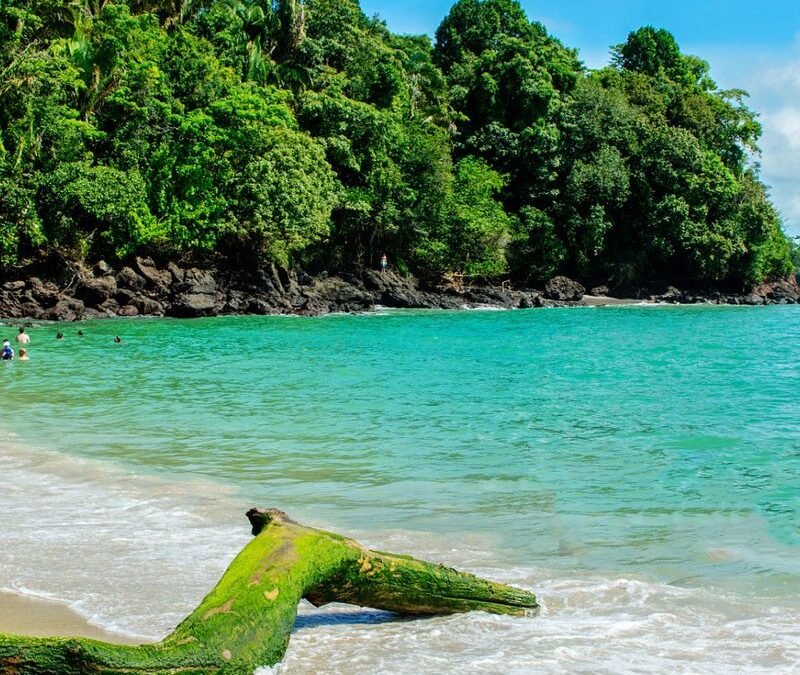
A light dress for dinner above the Pacific, broken-in shoes for a forest trail, and a fine layer for an unexpected shower: a Costa Rica dry season packing list is less about volume than judgment. One journey can combine hot beaches, cool elevations, dust, humidity, and several transfers. A short, technical, elegant wardrobe makes every stage easier.
Before closing the case, confirm where you will stay in Costa Rica and review the ten-day Arenal and beach itinerary. Packing depends more on region and activity than on the month alone.
Understand dry season before packing
On the Pacific side, dry season generally runs from December through March, with April as transition. The Caribbean follows another rainfall pattern and may be wet while the Pacific is bright. Arenal, Monteverde, and the Central Valley can bring cooler air, wind, or local showers. The official climate guide explains these regional differences.
Dry season therefore does not mean completely dry conditions. A very light rain shell, protection for electronics, and quick-drying fabric remain useful. A heavy coat usually wastes space. Think in layers: breathable base, compact warm layer for elevation, and protection from wind or rain.
An elegant and functional wardrobe
For tropical days
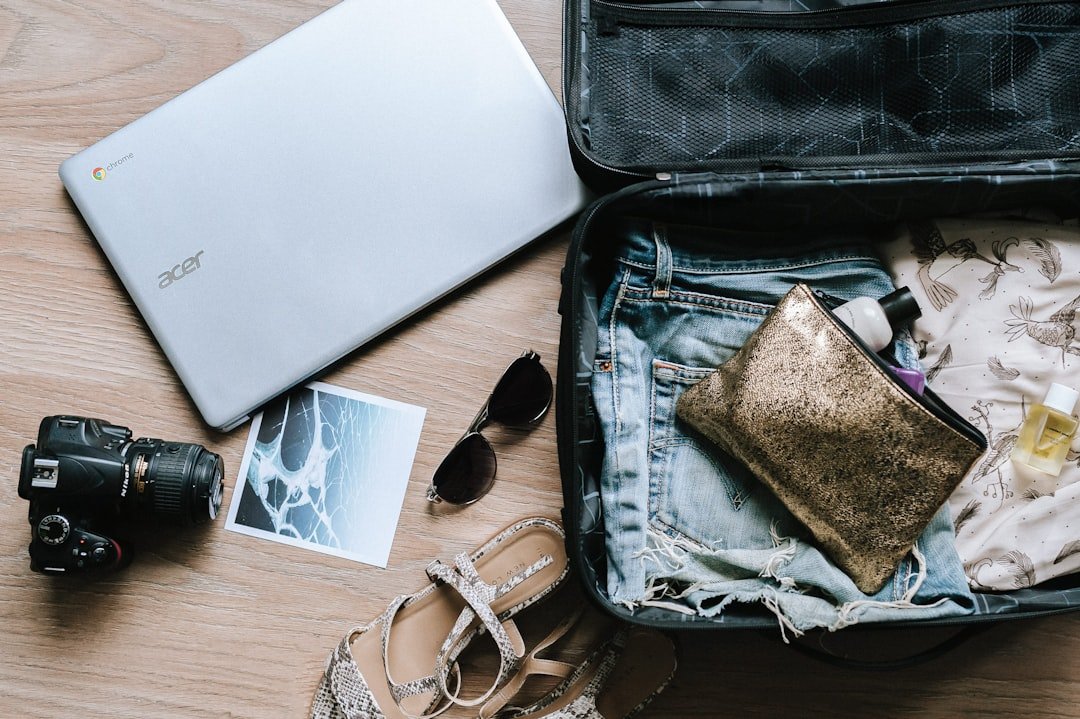
Pack four or five light tops, two or three comfortable bottoms, a second swimsuit, and a sun-covering shirt. Linen is elegant but can crease and dry more slowly than technical blends. Pale colours feel fresh, while one darker trouser handles vehicles and paths well. A small laundry service lets guests reduce volume substantially.
For dinners and resorts
Costa Rican luxury is generally relaxed. A fluid dress, crisp shirt, light trouser, and refined stable sandal suit most properties. Check special restaurant dress codes. Fine heels work poorly on timber decks, uneven paths, and sand. A wrap or light jacket helps in strong air conditioning.
For forest and cool mornings
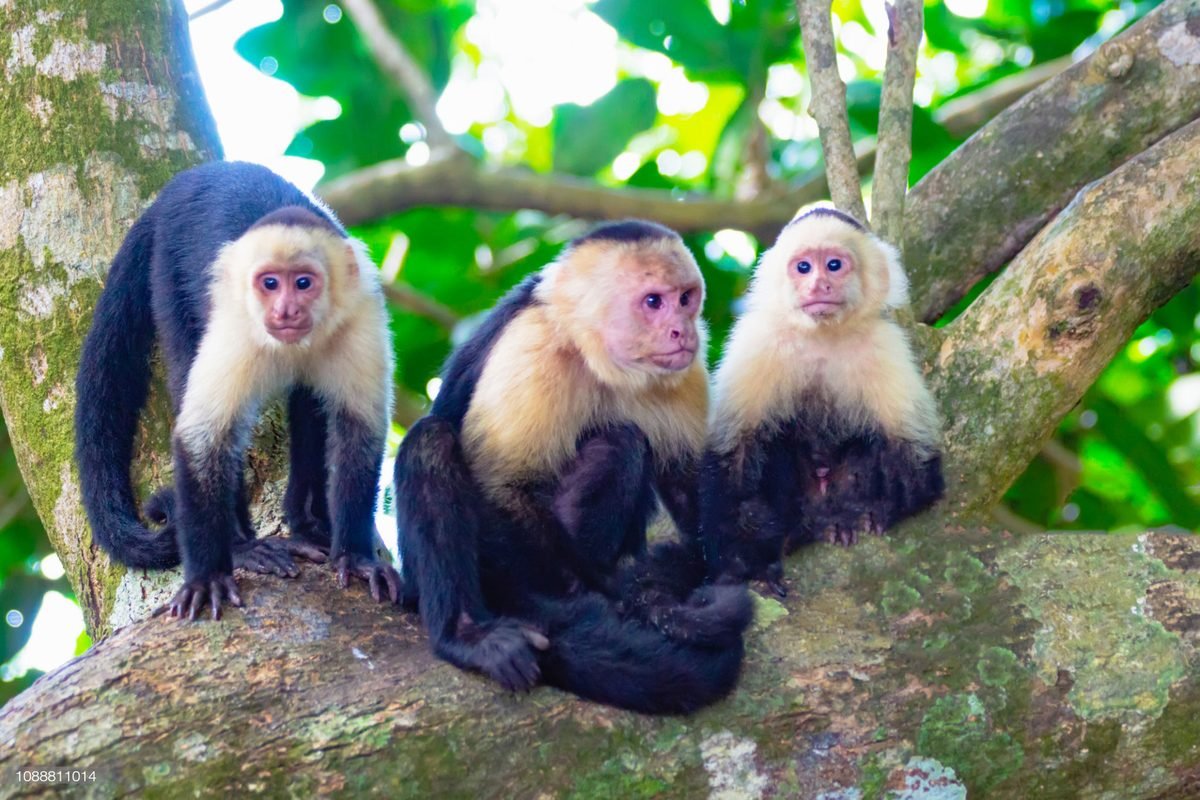
Add breathable long trousers, long sleeves, a thin warm layer, and rain protection. Pre-dawn birding can feel cool, particularly at elevation. Subdued colours are less intrusive around wildlife than fluorescent fabric. Covering clothing also reduces exposure to sun and insects without relying entirely on products.
| Situation | Pack | Avoid | Reason |
|---|---|---|---|
| Beach and pool | Swimwear, cover-up, sandals | Only one swimsuit | Drying time |
| Forest trails | Light trousers, sleeves, rain shell | Heavy denim | Humidity and movement |
| Dinner | Fluid outfit, stable shoe | Fine heels | Uneven surfaces |
| Elevation / transfer | Warm layer, wrap | Bulky coat | Temperature changes |
Shoes are the most important decision
Take no more than three categories: comfortable closed shoe, stable sandal, and simple polished option. Trainers or hiking shoes should already be broken in. Technical or muddy trails need grip; a gentle naturalist walk may only require a light shoe. Ask the true level of each activity before overpacking.
Water shoes can help for rafting, rocks, waterfalls, or certain boats, but operators usually state what is required. Official tourism advice recommends suitable shoes, sun protection, and lightweight clothing for activities. Do not carry specialist footwear for an excursion that is not confirmed.
Health, sun, and personal care
Keep regular medication in hand luggage with a useful prescription copy. Leave it in original packaging and bring a small time margin. Add sunscreen, repellent, after-sun care, plasters, antiseptic, and personal treatment. Consult a health professional before departure about medication or individual medical questions.
Tropical sun remains strong even in wind. A secure hat, genuinely protective sunglasses, and a covering shirt are more reliable than many small bottles. A refillable bottle travels well on transfers and excursions. Costa Rica’s tourism guidance specifically encourages light packing and attention to weight limits used by local airlines and tour operators.
Electronics and documents
Save passport details, insurance, confirmations, driver contacts, and emergency numbers in an offline digital file. Keep a separate copy without sharing personal information unnecessarily. A power bank, short cables, suitable adapter, and waterproof pouch are often enough. Costa Rica generally uses North American-style 110-volt outlets.
For photography, choose equipment you truly use. Compact binoculars or a modest telephoto lens add greatly to wildlife observation. Protect devices from humidity, dust, and spray. Check rules before using a drone, since protected sites, lodges, and operators may restrict it.
The Allure method
Place everything on the bed, then remove one third. Every garment should work with at least two other pieces and answer a real situation in the itinerary. Keep one light outfit, swimwear, medication, and twenty-four-hour essentials in hand luggage.
Adapt the case to accommodation
At a private property such as Water Villa, confirm washing machine, laundry, toiletries, hair dryer, and baby equipment. At a resort such as The Springs, services are centralised but long internal distances make comfortable footwear important. A remote ecolodge needs more anticipation.
Ask what activities provide: poncho, towel, dry bag, binoculars, fins, helmet, or bottle. Avoiding duplication reduces weight. A tailor-made Costa Rica package can centralise these answers across several lodges and operators.
Cabin baggage, checked luggage, and domestic flights
Local airlines and some operators use limits that are stricter than international flights. Check weight and dimensions for every segment before selecting a case. A soft bag may fit a small aircraft or full vehicle more easily. Never assume a long-haul allowance applies to a domestic journey.
Divide medication, documents, glasses, essential electronics, and one outfit between bags. Valuables stay with you during transfers. A discreet label with an international phone number is useful; the full villa address need not be visible. Leave nothing on display in a parked vehicle.
What is better left at home
Leave conspicuous jewellery, heavy bottles, multiple formal outfits, unused devices, and new shoes behind. Luxury properties and boats usually provide beach towels, but confirm. A powerful portable speaker has no place on a forest trail; quiet is part of the experience.
Single-use products can be replaced by a refillable bottle, small reusable containers, and a washable bag. This simplicity is not austere. It leaves room for local craft and makes each move easier.
The final check
Two days before departure, read the forecast by region rather than only San José. Confirm activities, clothing instructions, and luggage rules. Charge devices, download documents, and prepare medication. On departure morning, keep passport, payment, and phone in one consistent place.
A refined capsule wardrobe for changing settings
The most useful pieces earn their place more than once. A breathable shirt can cover sun on a boat, soften an air-conditioned transfer, and look polished at dinner. Lightweight trousers work for an early wildlife walk and a relaxed lunch, while a simple evening layer handles cooler terraces in the highlands. Neutral colours combine easily, but one brighter piece photographs beautifully against tropical green.
For a ten-day journey, three or four daytime tops, two pairs of shorts, two light trousers, one refined casual outfit, swimwear, sleepwear and a compact layer are usually more versatile than a different look for every day. Laundry service at a villa or resort can reduce volume further. Pack delicate items in a soft pouch and keep one complete change of clothes in cabin baggage.
What belongs in the day bag
A small day bag should hold water, sun protection, insect repellent, a light rain shell, a dry pouch, tissues and any personal medication. Add binoculars only if wildlife observation is central to the day; many specialist guides carry quality optics. A foldable tote is useful for wet swimwear or a spontaneous market stop, and occupies almost no space.
Before departure each morning, match the bag to the activity rather than carrying every contingency. A catamaran, volcano trail and private transfer call for different essentials. This simple ritual keeps the experience elegant: the right item is close at hand, yet the guest is never burdened by luggage.
A successful Costa Rica dry season packing list supports the country’s variety without weighing it down. It lets guests move from a trail to lunch and from a transfer to a terrace with a few intelligent pieces. Contact Allure Costa Rica for recommendations matched to your actual itinerary.