Costa Rica’s green season, roughly May through November, has a reputation problem. The word rainy puts some travelers off, and they head for the dry season, when the crowds are bigger and the prices higher. But for those who like a quieter, greener country, and who know how the weather actually works, the green season can be one of the most rewarding times to travel. This guide explains what really happens in the rains, where to go, how to plan and why this period appeals to luxury travelers.
How the green season really works
In most regions, the rain does not fall all day. A typical green-season day starts with clear or partly clear skies, with showers building in the afternoon and often clearing by evening. This rhythm means mornings are excellent for outdoor activities and afternoons are well suited to the spa, a long lunch or a nap in a hammock. Rain intensity varies by region and by month, and some weeks are wetter than others.
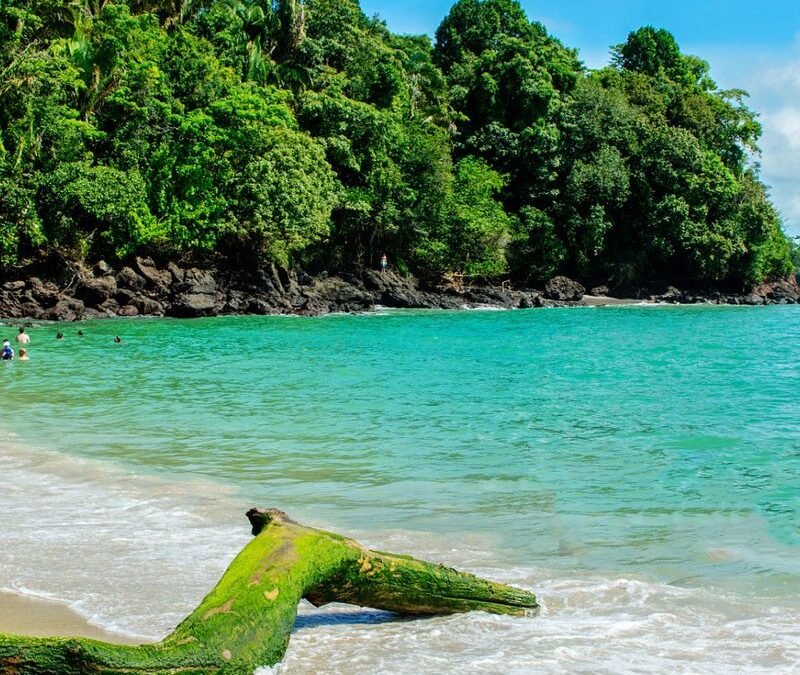
The landscape is transformed: the hills are bright green, rivers and waterfalls are full, the air is fresh, and the skies can be dramatic at sunset. For many travelers, this is Costa Rica at its most beautiful.
The benefits of traveling in the green season
- Fewer crowds at popular parks, beaches and restaurants.
- More availability at the best villas and resorts, with a wider choice of dates.
- Often better value, since many properties adjust their rates outside the high season. Ask each property for its current rates and offers.
- Lush scenery and active wildlife, with abundant birdlife and blooming forests.
- A slower, more relaxed rhythm that suits long stays and families.
Where the green season is easiest
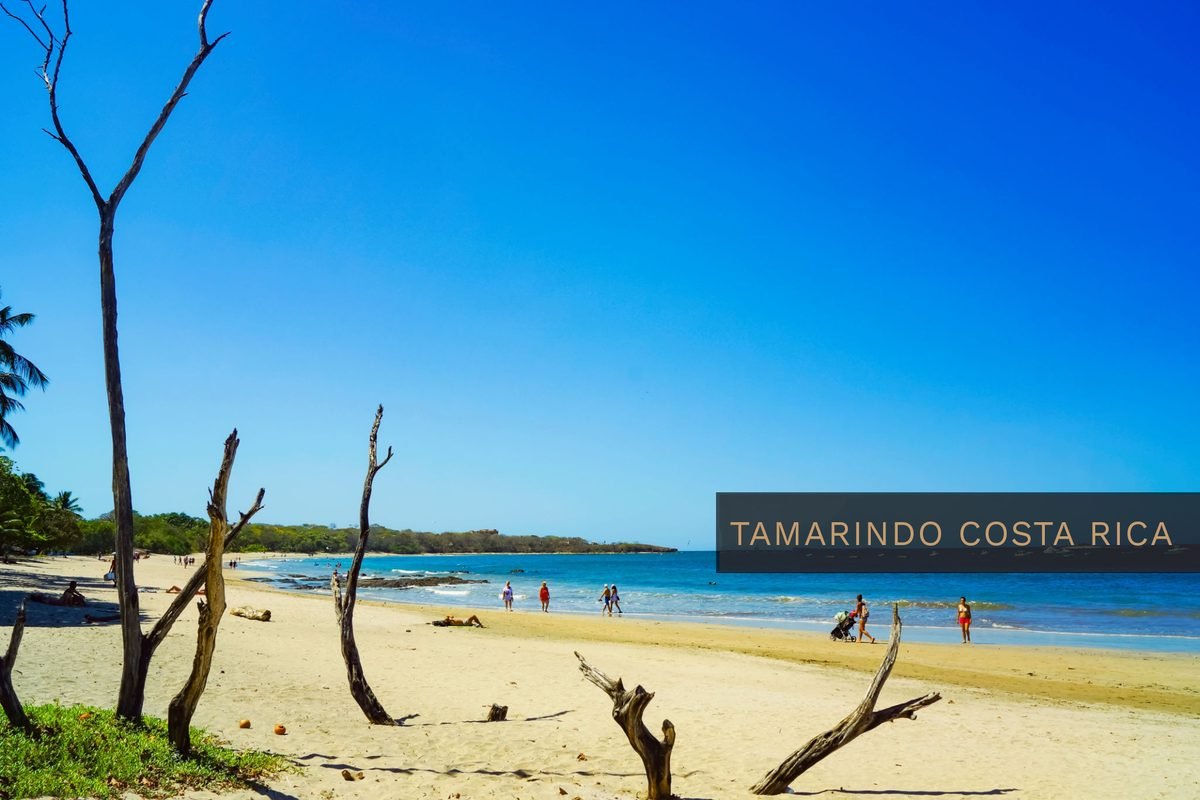
Guanacaste and the northern Pacific have the lightest rainfall during the green season, and many visitors find it enjoyable, with a short drier spell often appearing around the middle of the year. Other regions, such as the central and south Pacific and the Caribbean, have their own patterns, with some months wetter than others. Always ask a local host about current conditions. See Papagayo Peninsula and Tamarindo for Guanacaste, and when to visit Costa Rica for seasonal detail.
What to do when it rains
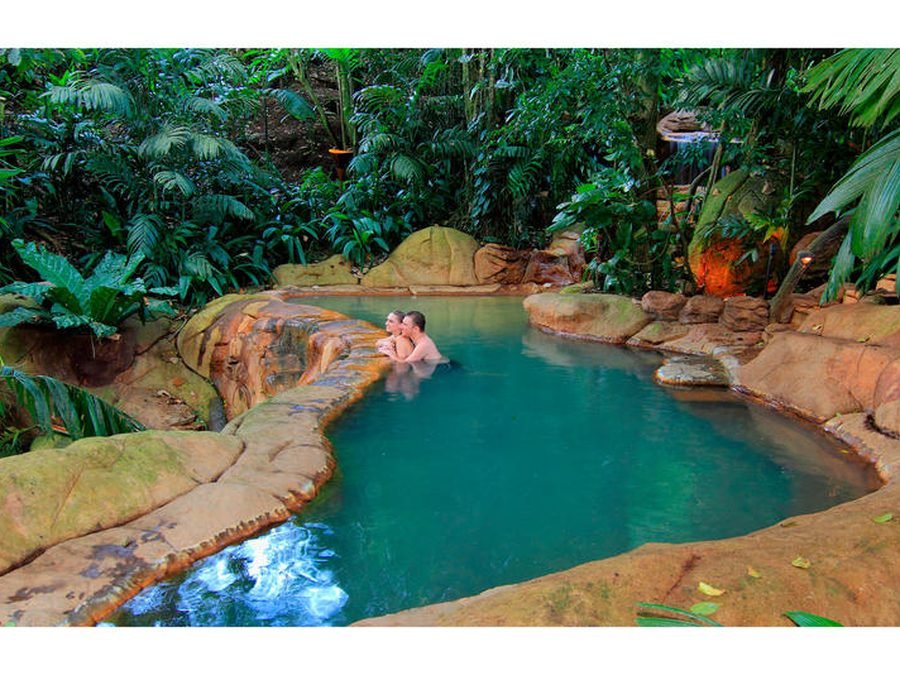
Plan outdoor activities in the morning, when skies are usually clearer. In the afternoon, soak in hot springs, book a spa treatment, take a cooking class or enjoy a long, unhurried lunch. A private chef can make a rainy afternoon feel like a gift, and a villa with covered terraces allows you to watch the rain from comfort. See our guide to a private chef in a Costa Rica villa for ideas.
Wildlife and nature in the green season
The forest is active, birds are nesting, and frogs and insects are abundant. Waterfalls are at their fullest, and many trails are quiet. Sea turtle nesting and some whale seasons fall within the green months, though timing depends on the species and the location, so ask a guide for current information.
How to plan a green-season trip
- Choose a region with a lighter rain pattern if you prefer more sunshine.
- Stay a little longer so that a rainy day does not take over the trip.
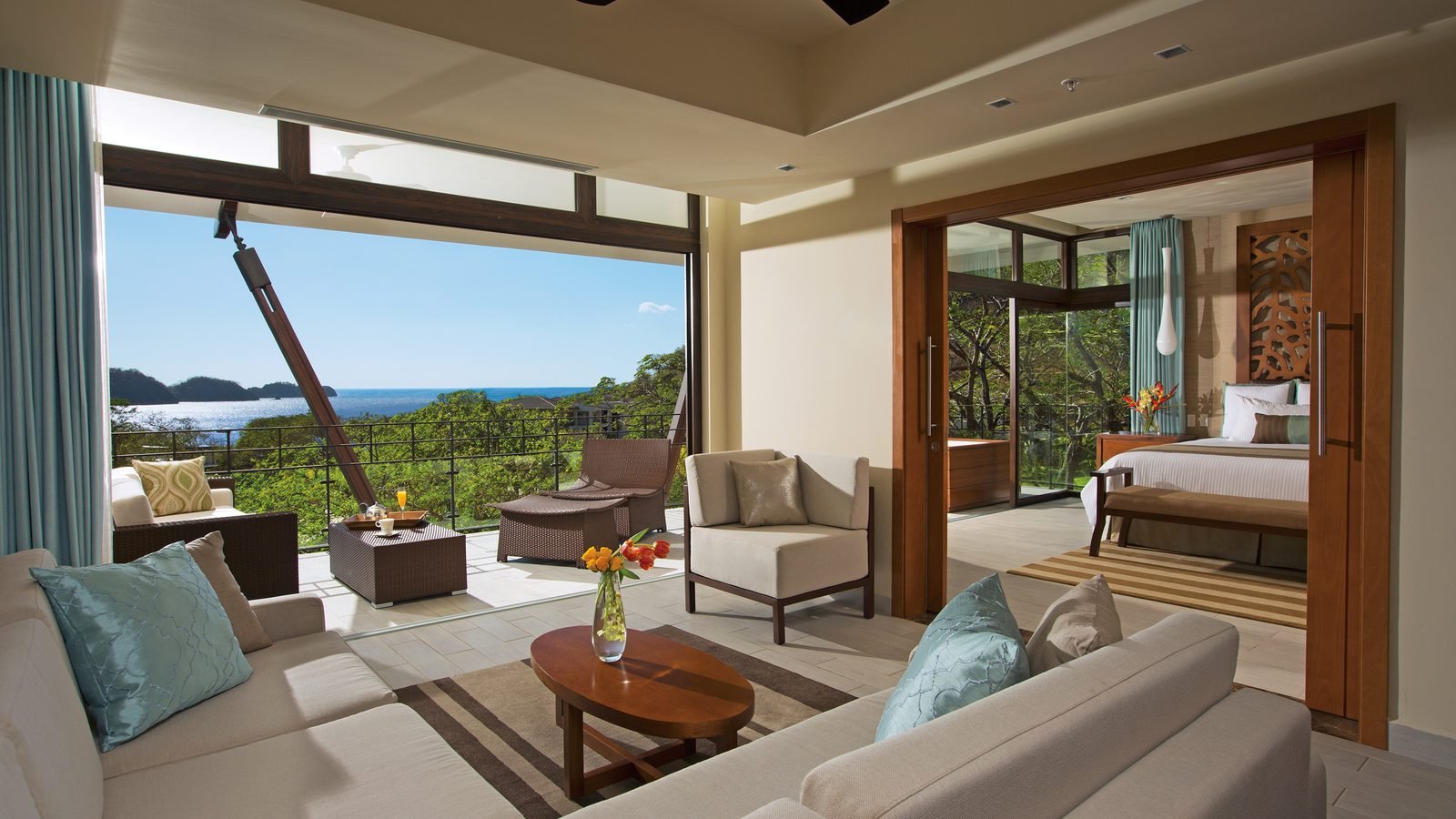
- Pick properties with covered terraces, spa facilities and good indoor spaces.
- Keep your schedule flexible, with a backup plan for each major activity.
- Pack a rain jacket, quick-drying clothing and sturdy shoes.
Villas and resorts for the rainy season
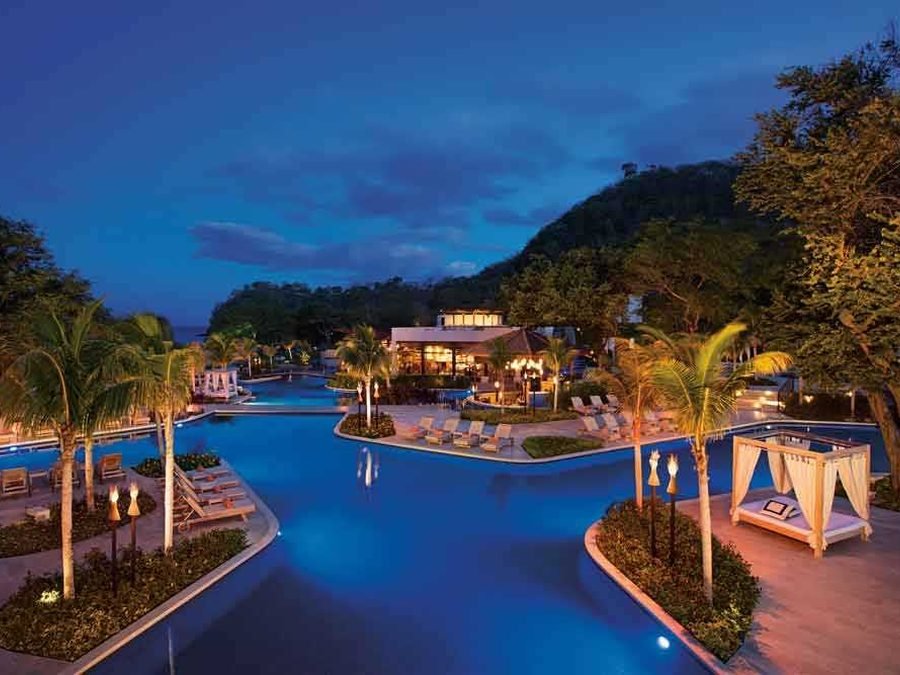
A villa gives you space, covered living areas and a kitchen team, so a rainy afternoon is never a problem. A resort offers spas, restaurants and activities on site. Compare private villas and luxury resorts, and read villa, resort or lodge to choose a format.
Practical tips
Check road conditions and transfer schedules in advance, particularly in remote areas. Keep electronics in waterproof bags, and carry insect repellent. If you are planning a special occasion, ask whether there is a covered space for events. And remember that a flexible attitude is the best preparation for the green season.
Packing and planning for the green season
- Bring a light rain jacket, quick-drying clothes, closed shoes and insect repellent.
- Plan outdoor activities for the morning, when skies are usually clearer.
- Book flexible flights if possible, and ask about the villa’s or lodge’s policy for weather-related changes.
- Look for properties with covered terraces, a spa and a good restaurant, so rainy afternoons are pleasant.
- Ask about road conditions if you are driving to remote areas.
The green season rewards travelers who stay flexible and choose the right property. Quiet beaches, vivid forests and warm hospitality are part of the appeal.
Plan your stay with Allure
Tell us your dates, the size of your group and the atmosphere you want, and we will prepare a tailored selection of villas and resorts. Send us your request or browse our luxury resorts and private villas.
Frequently asked questions
Is the green season a good time to visit Costa Rica?
Yes, for travelers who enjoy lush scenery, fewer crowds and a flexible schedule. Rain often falls in the afternoon.
Does it rain all day in the green season?
Usually not. Many days begin with sun, with showers in the afternoon, although patterns vary.
Are rates lower in the green season?
Often, but it varies by property. Ask each property for current rates and offers.
Which region is driest in the green season?
Guanacaste and the northern Pacific generally have lighter rainfall than other regions.