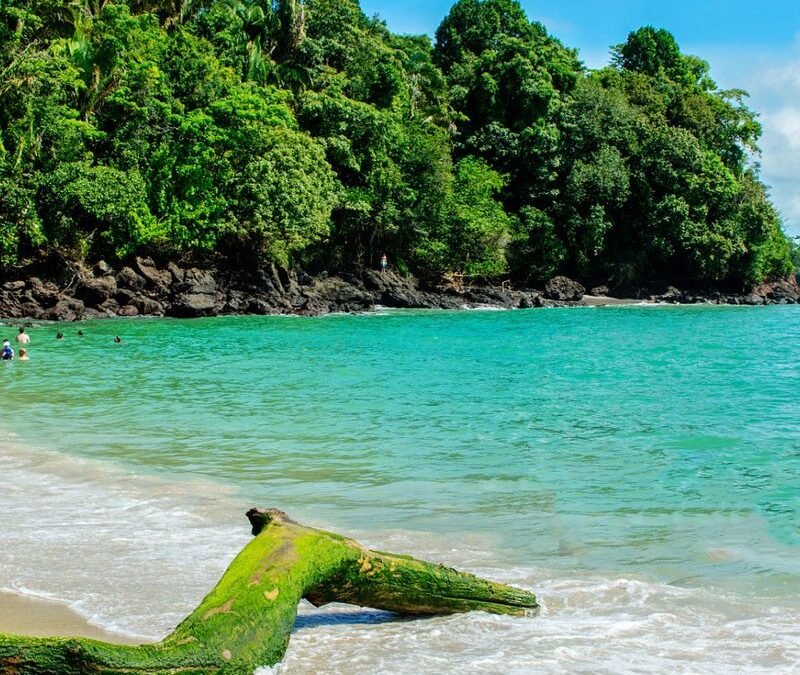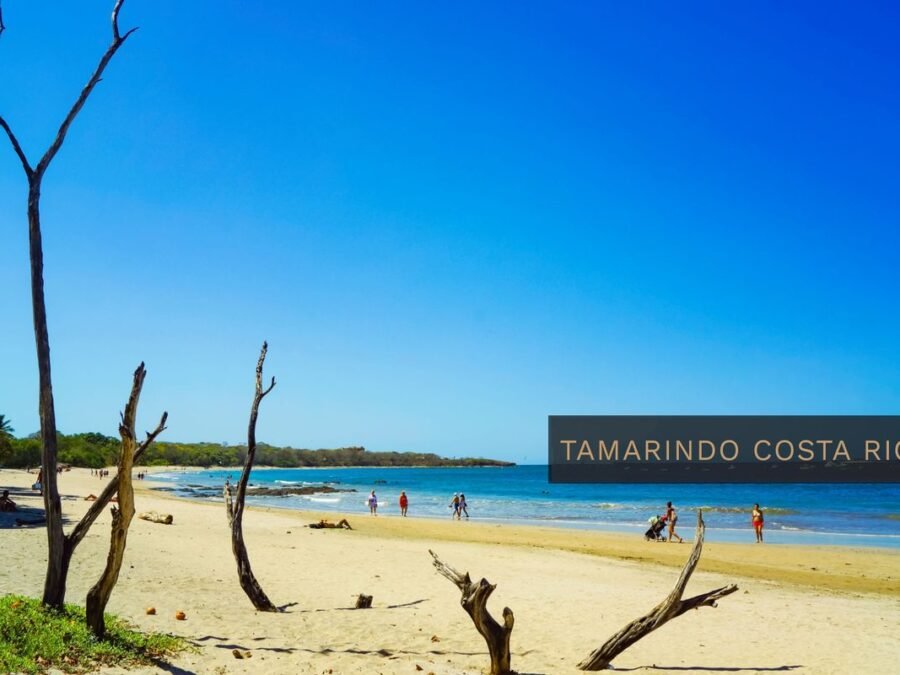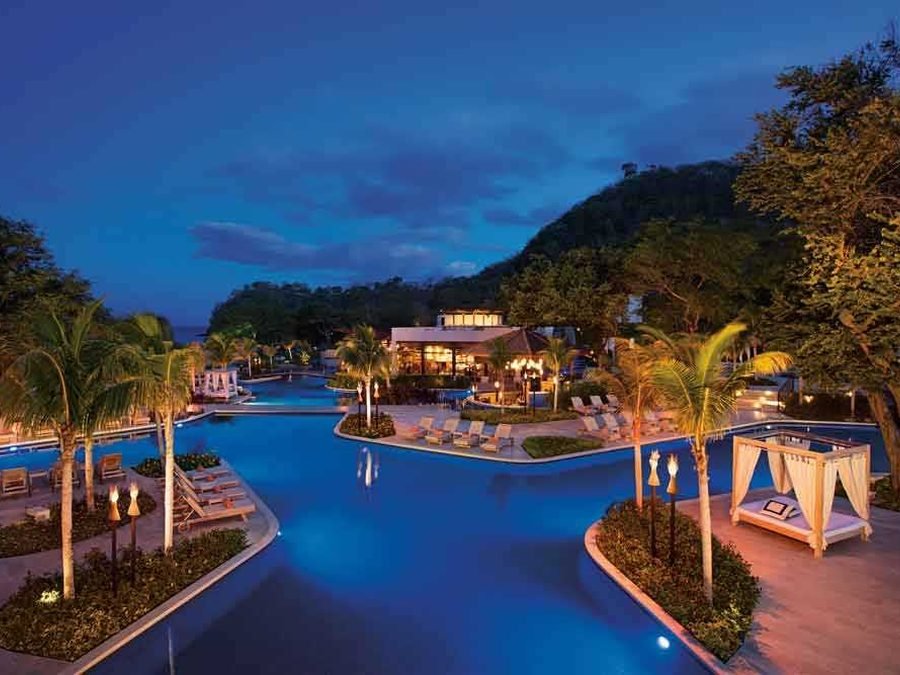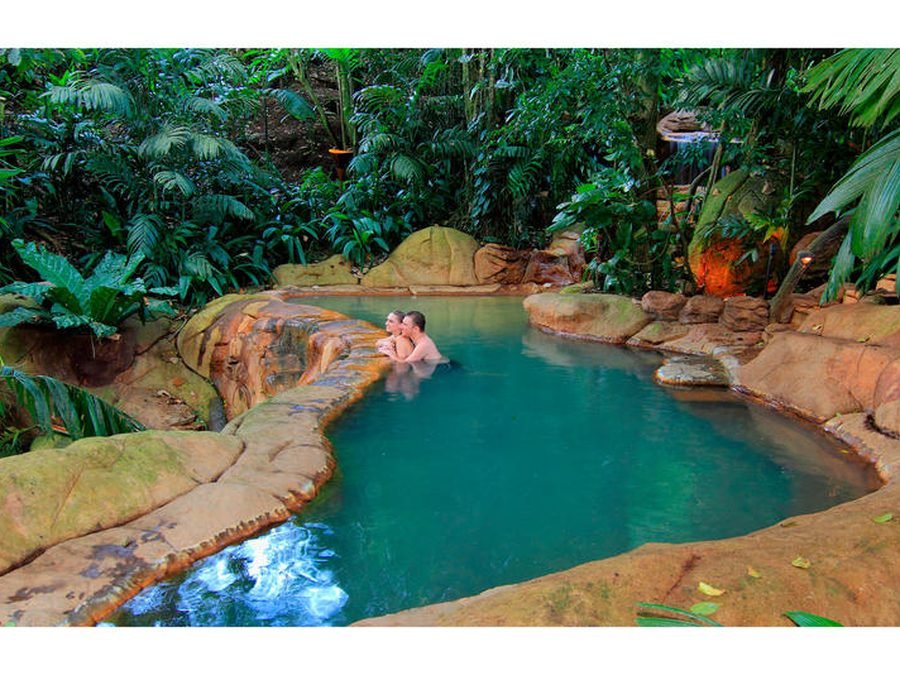
The Osa Peninsula is Costa Rica at its most wild. Remote, humid and densely forested, it is a place where the weather is not a background detail but a defining part of the experience. Rain feeds the rivers and the trees, shapes the road conditions, and determines how comfortable a day in the forest will be. If you are planning a trip, understanding the rhythm of the seasons will help you choose the best time, set realistic expectations and book the right kind of stay. Here is a month-by-month guide.
The rhythm of the Osa seasons
The Osa Peninsula receives more rain than most of Costa Rica, and even the drier months can bring showers. Broadly, the driest period runs from about December to April, with the heaviest rains falling in the second half of the year, often peaking around September to November. Temperatures stay warm throughout the year, and humidity is high in every month.
Because conditions can vary from one year to the next, treat these patterns as a guide rather than a guarantee. Ask your lodge or guide for current conditions before you travel.
December to April: the drier months
This is the most popular time to visit, with more sunshine, calmer seas and easier trail conditions in the forest. Boat transfers and coastal excursions are generally smoother, and it is the best period for visiting Corcovado National Park if you prefer drier trails. It is also high season, so lodges, guides and permits can fill early, particularly around Christmas, New Year and Easter. Book as far ahead as you can.
Humpback whales are often seen along the south Pacific coast in the northern-hemisphere season, roughly December through April, although timing varies.
May to November: the green season
The forest is at its most vivid, rivers run full and waterfalls are dramatic. Rain is frequent, often arriving in the afternoon, and some roads, river crossings and boat transfers can be affected. Visitors who enjoy lush scenery and quieter trails often find this period rewarding, though comfort and flexibility matter more. The southern-hemisphere whale season, around July to October, may also bring sightings on this coast. Always check with your operator.
Wildlife through the year
Wildlife in the Osa is active throughout the year, with monkeys, macaws, tapirs and many bird species calling the forest home. Dawn is generally the best time for sightings, regardless of the season. Sea turtle nesting follows its own pattern on different beaches, so ask local guides for current information. Always keep a respectful distance and follow the guide’s instructions.
Getting there in different seasons
The peninsula is reached through gateways such as Puerto Jiménez and Drake Bay, by road, boat or domestic flight. In the wet months, road conditions and sea state can change, and schedules can shift, so allow buffer days and confirm transfers with your lodge. See getting around Costa Rica and our guide to the Osa Peninsula.
Choosing by priority
- Easier hiking and calmer seas: December through April.
- Lush scenery and quiet trails: May through November, with flexible plans.
- Holiday stays: book as early as possible, as lodges and guides fill quickly.
- Photography: either season, with early starts for the best light.
How to plan a comfortable stay
The Osa is not a place for tight schedules. Choose a lodge or villa with good guides, comfortable rooms and reliable support for transfers. If you prefer a gentler experience, pair a few nights on the peninsula with a stay in the south Pacific hills or a beach; see Dominical and private villas for ideas. For a broader seasonal overview, read when to visit Costa Rica.
Practical tips
Pack quick-drying clothes, a rain jacket, sturdy shoes, insect repellent and a dry bag. Allow at least three nights on the peninsula, and avoid tight connections on arrival and departure days. Tell your lodge about any health concerns before you go, and ask what the plan is if the weather prevents a planned activity.
Planning notes for the Osa Peninsula
- Book early: the Osa has a limited number of lodges, and the best ones fill first, particularly in the dry season.
- Plan the journey carefully; many guests arrive by a short domestic flight, while others come by road with a private driver.
- Allow at least four nights, so you have time for Corcovado, the coast and a day of rest.
- Tide tables and weather affect boat trips and beach access, so keep the schedule flexible.
- Pack light, quick-drying clothing, sturdy sandals and a rain jacket.
Your guide and your lodge will know the best conditions for each activity on the days you are there.
Plan your stay with Allure
Tell us your dates, the size of your group and the atmosphere you want, and we will prepare a tailored selection of villas and resorts. Send us your request or browse our luxury resorts and private villas.
Frequently asked questions
What is the best month to visit the Osa Peninsula?
Many travelers prefer the drier months from about December to April, although it is also the busiest period.
Is the Osa rainy?
Yes, more than most of Costa Rica. Rain is possible in any month, with the heaviest rains generally in the second half of the year.
Can I visit Corcovado in the green season?
Yes, but conditions and access may be more challenging. Confirm requirements and conditions with your guide.
How long should I stay on the Osa Peninsula?
At least three nights, with buffer days for weather and transfers.