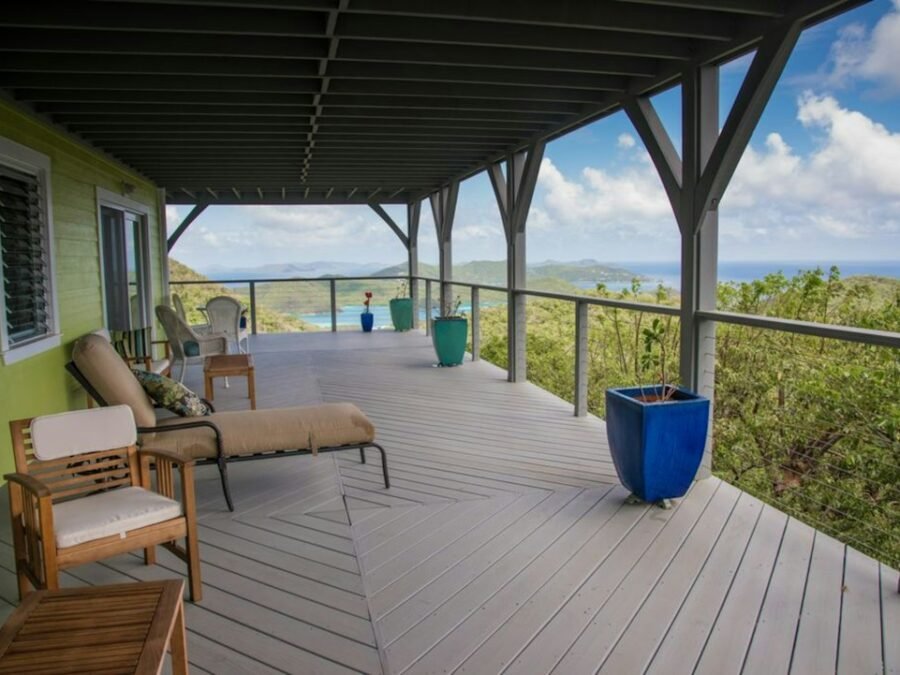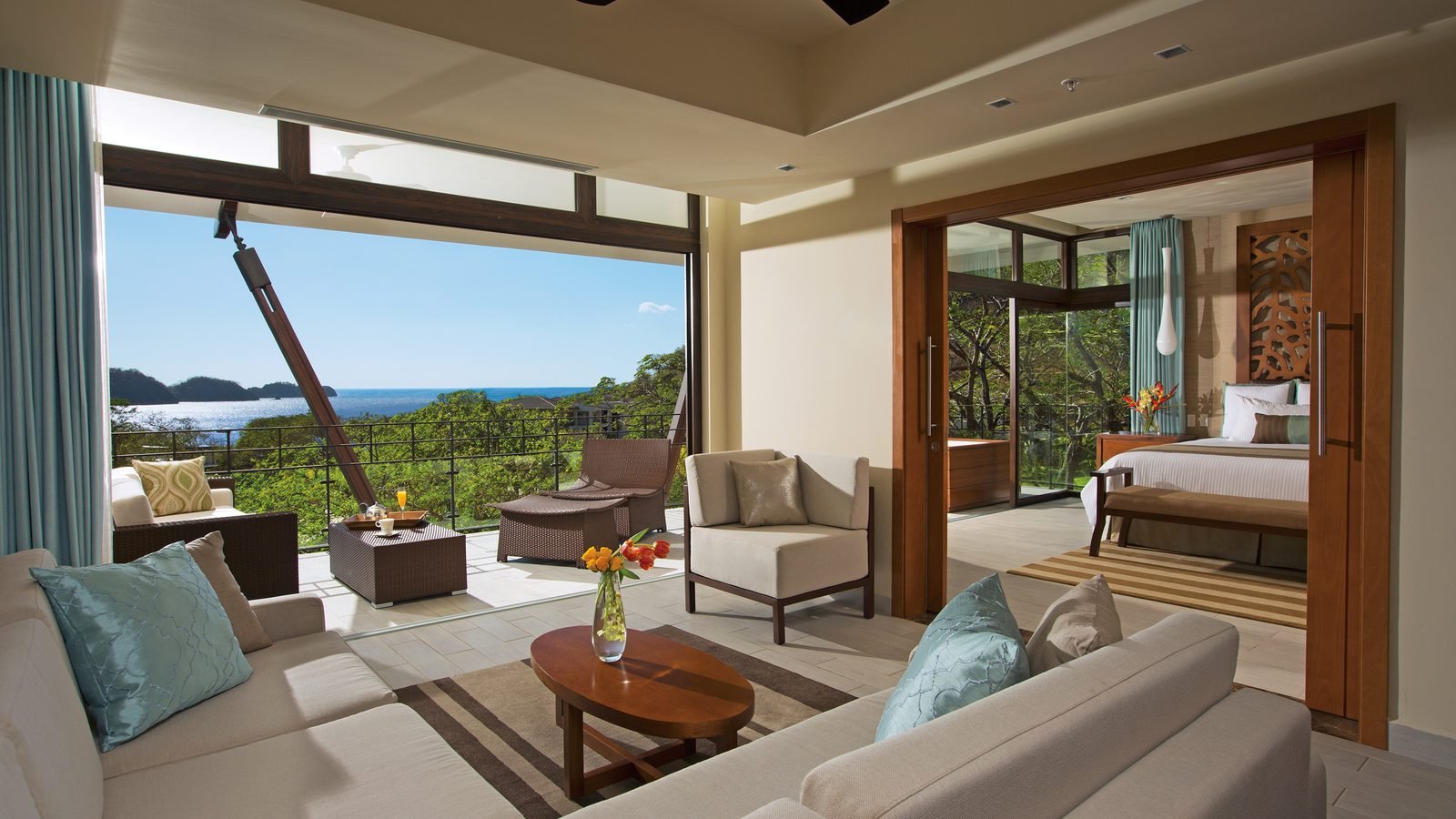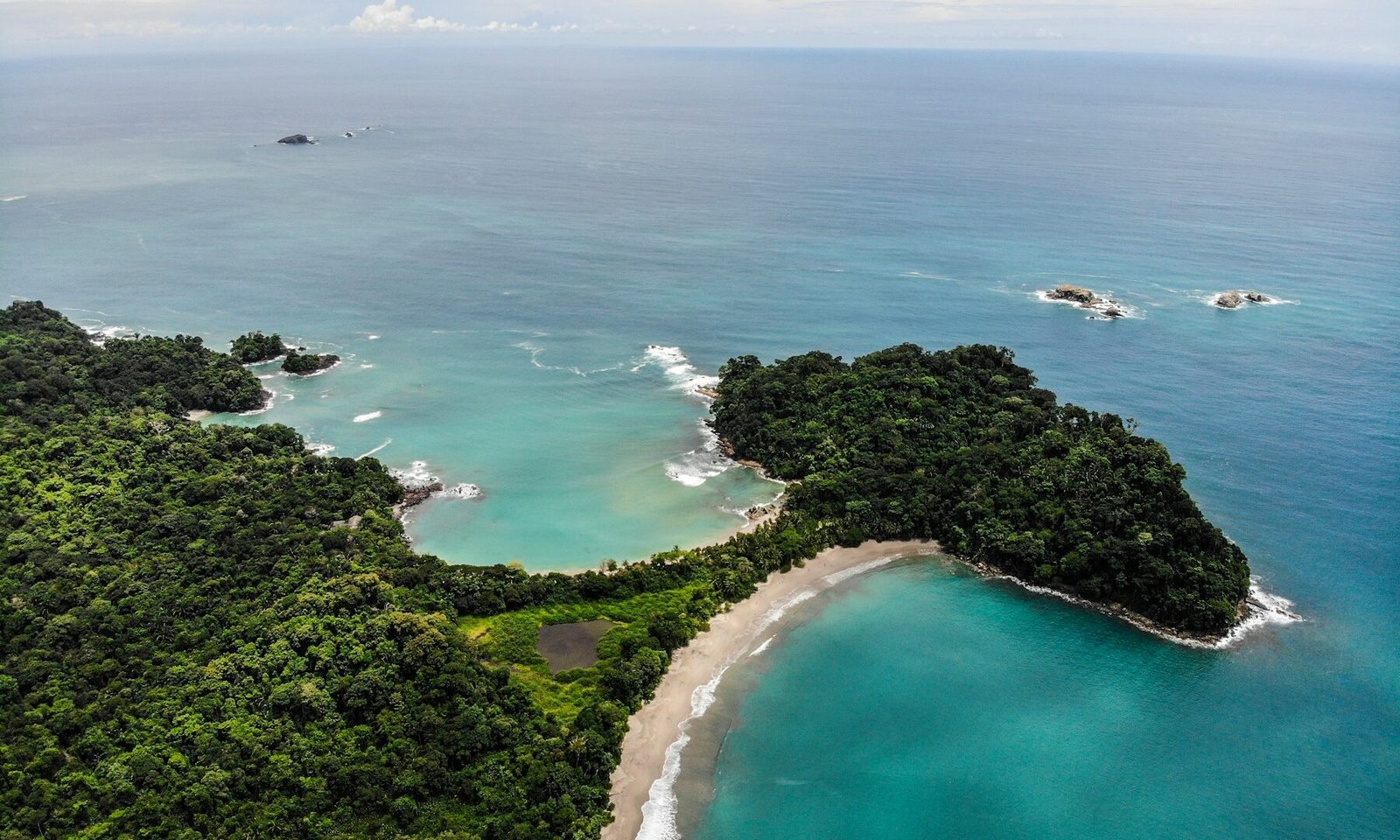
Golden light enters the canopy at breakfast, the Pacific settles into its dry-season rhythm, and evenings invite dinner outdoors. Travelling to Costa Rica in January means visiting during the heart of the Pacific dry season, yet the country never has one uniform forecast. Mountains, winds, and two oceans create several climates within a compact territory.
Begin by deciding where to stay in Costa Rica, then compare our guide to the best time to visit. For a seamless route, compare luxury transfers in Costa Rica. Explore a tailor-made package, The Springs Resort, and Water Villa for contrasting styles of stay.
Costa Rica in January: the weather in context
The Costa Rica Tourism Board describes the Pacific dry season as generally running from December through March. January therefore often brings clear mornings to Guanacaste, the Nicoya Peninsula, and the Central Pacific. Dry season does not promise zero rain, and altitude or wind can change the sensation quickly.
The Caribbean follows a different pattern. Rain remains possible throughout the year, and November through January is one of its wetter periods. Arenal, the Northern Plains, and Monteverde may also feel cooler or receive brief showers. Read forecasts region by region rather than relying on San José alone.
Why January appeals to discerning travellers
Pacific landscapes are luminous, principal roads are usually easier, and marine plans tend to be more predictable than during the green season. Terraces, private dinners, sailing days, and beach time can be arranged with confidence. Families, honeymooners, and multigenerational groups all value this balance.
January is also international high season. The best-positioned villas, view suites, private guides, and certain domestic flights have limited capacity. A successful journey is not built by filling every hour; it is built by securing the few elements that shape the experience, then leaving space around them.
Guanacaste: sun, beaches, and unhurried living
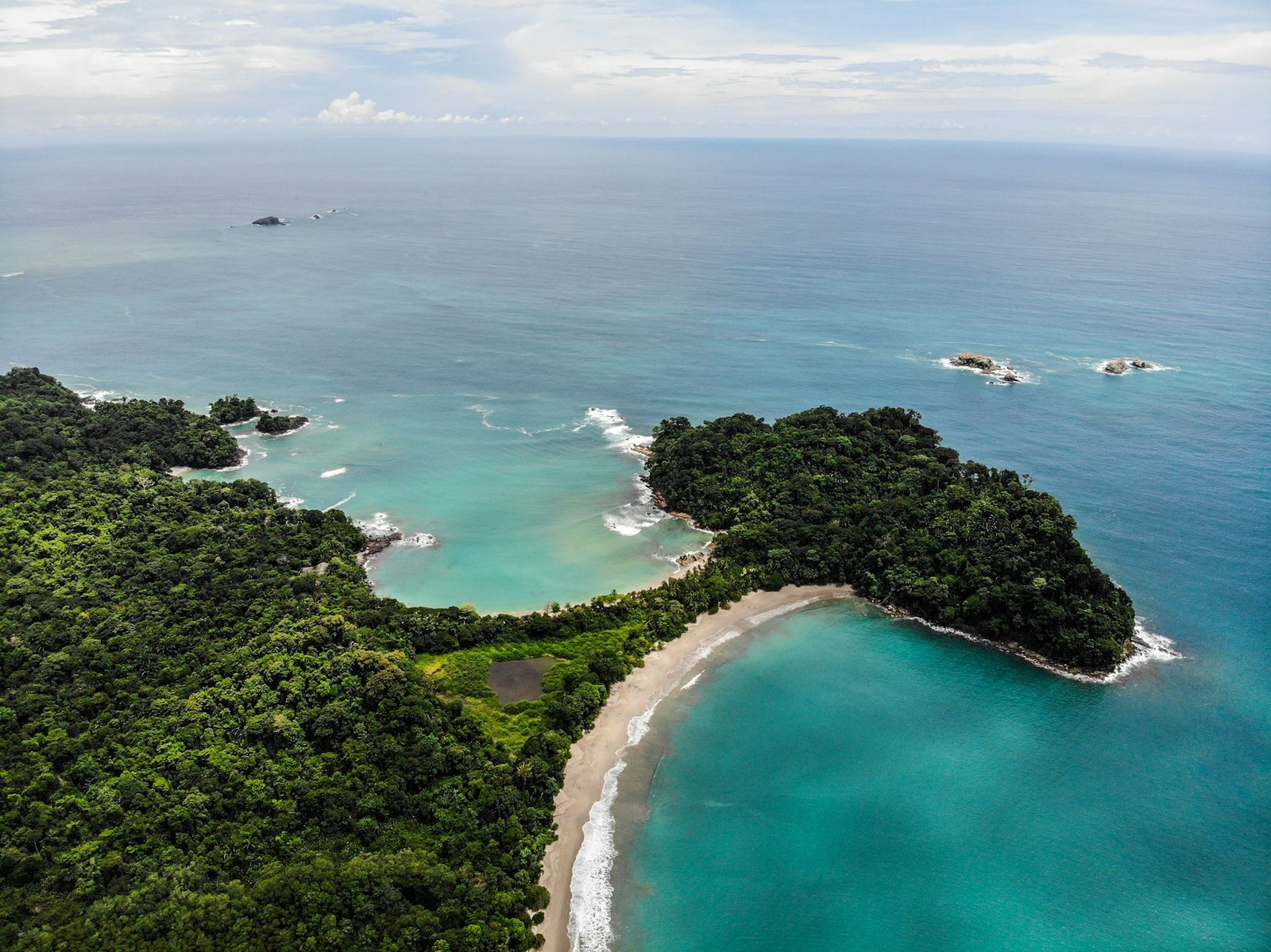
Guanacaste is the natural choice for travellers prioritising sun. Papagayo, Playa Hermosa, Tamarindo, Nosara, and Santa Teresa offer very different moods: complete resorts, discreet villas, surf, wellness, or quiet coves. Landscapes become drier and more golden as the season advances.
North-western winds can be strong, particularly offshore and on exposed hills. Confirm yacht plans with the captain according to conditions. Allow at least four nights so the coast feels like a destination rather than a recovery stop, and preserve one flexible day around a private experience.
Arenal: a volcanic counterpoint
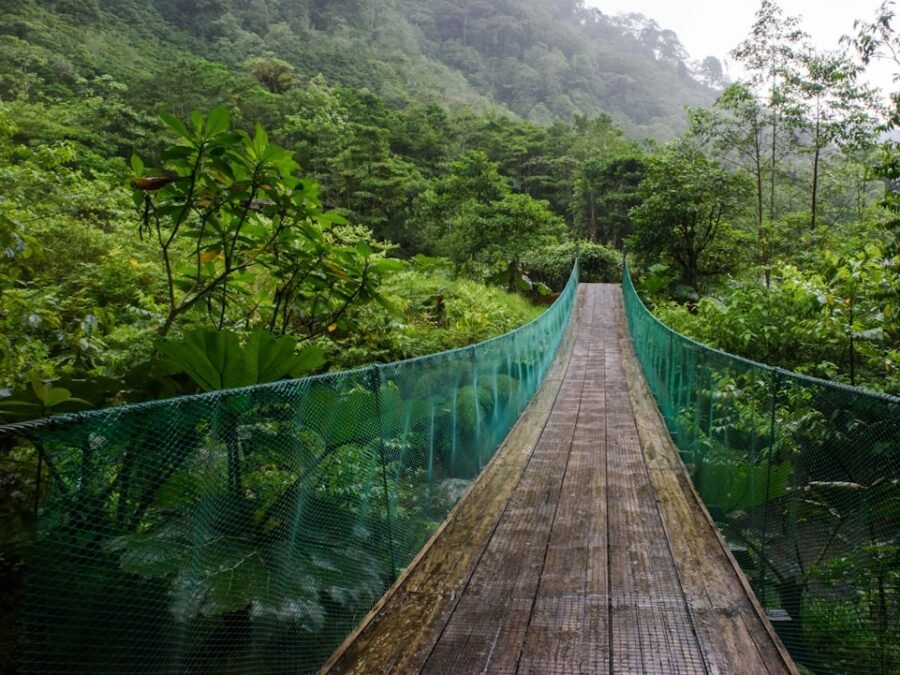
Arenal adds tropical depth to a beach-led itinerary. Hot springs, hanging bridges, forest gardens, and volcano views create a sensory chapter. Mornings can be cooler and wetter than on the Pacific, so a light waterproof layer remains useful even during dry season.
Three nights allow an easy arrival, one active day, and one gentler day devoted to spa or thermal water. A property such as The Springs Resort suits guests who want activities, restaurants, and relaxation gathered in one landscape.
Manuel Antonio and the Central Pacific
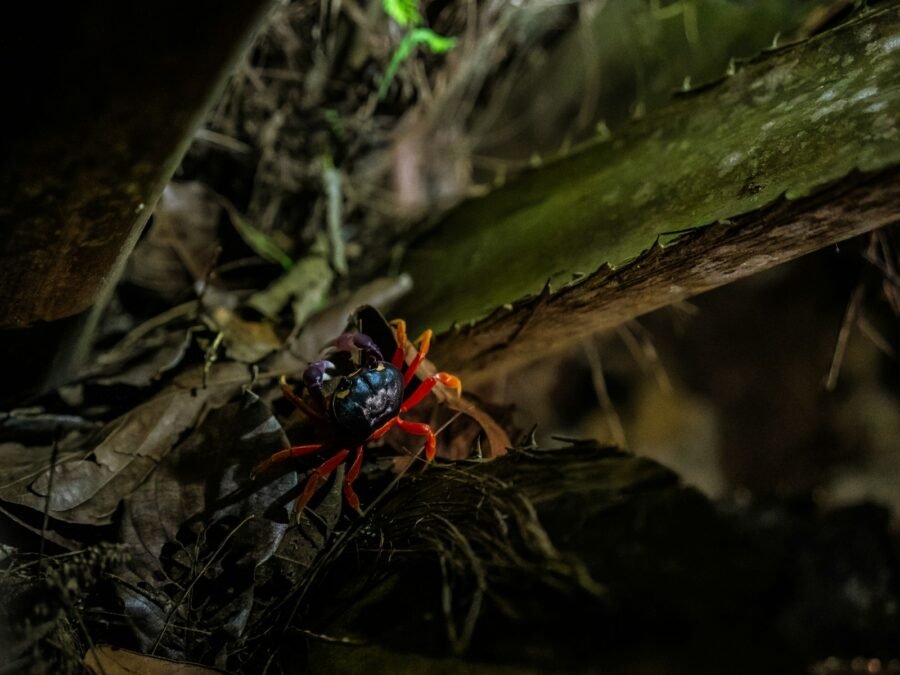
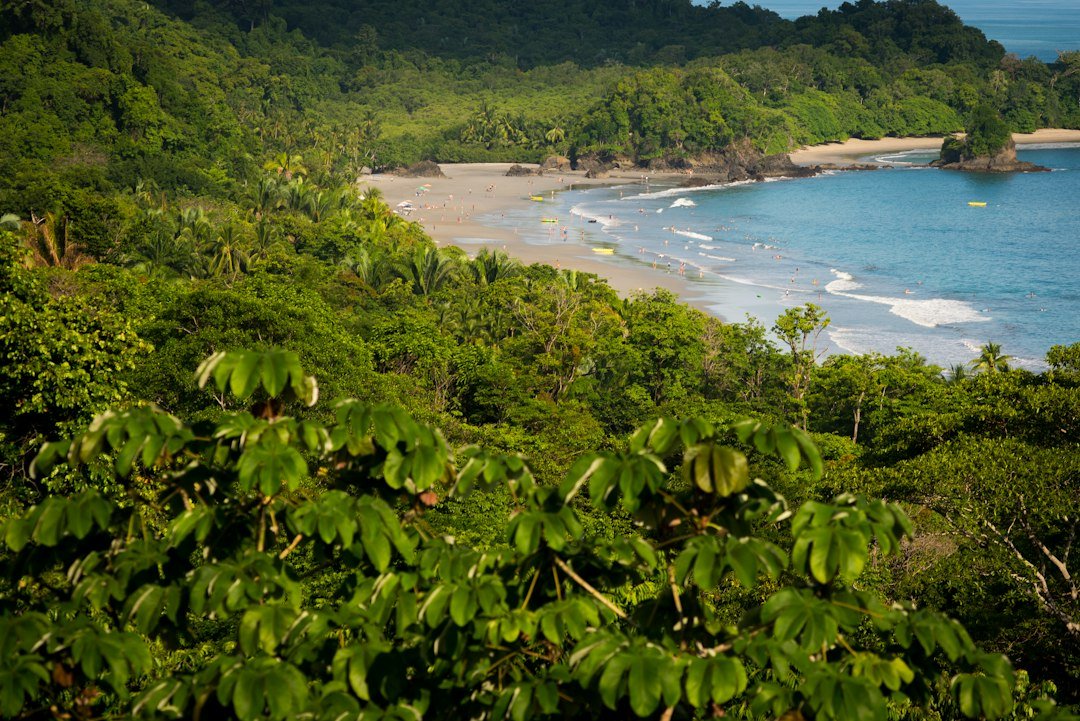
The Central Pacific brings forest, visible wildlife, and beaches together. Manuel Antonio works well for travellers wishing to see monkeys and sloths without committing to a very remote region. Early starts reduce heat, improve wildlife observation, and keep afternoons free for the pool or ocean.
The region is popular. A private guide, carefully chosen entry times, and a villa away from the busiest roads transform the experience. Four nights create breathing room; two often make arrivals and departures feel as prominent as the destination itself.
Should the Caribbean be included?
Puerto Viejo, Cahuita, and Tortuguero have a distinctive culture and ecology. January, however, can be wet. Choose the Caribbean for its atmosphere, biodiversity, and food rather than for guaranteed blue-sky beach days. A flexible plan and an appealing property matter greatly.
For a first ten-day visit, Arenal and the Pacific are normally simpler. With fourteen nights, the Caribbean can become a third chapter if guests accept more travel and less predictable weather. The right choice follows genuine curiosity, not a desire to complete a checklist.
A balanced ten-day luxury itinerary
An elegant structure begins with three nights in Arenal, followed by five on the Pacific and a final transition night near the airport when flight schedules make it useful. A more contemplative plan can remove the final stop by choosing flights carefully. Every hotel change should introduce a new landscape, activity, or service level.
Families often enjoy four volcano nights and six beach nights. Couples may prefer three active nights, four in a private villa, and three at a resort where everything is close. The table below clarifies the trade-offs without turning the journey into a race.
| Stage | Suggested stay | January strength | Watch for |
|---|---|---|---|
| Arenal | 3 nights | Hot springs and forest | Local showers |
| Guanacaste | 4–6 nights | Sun and beaches | Wind and high demand |
| Manuel Antonio | 3–4 nights | Wildlife and ocean | Guide and entry times |
| Caribbean | 3–4 nights | Culture and biodiversity | Higher rain chance |
Reserve in the right sequence
Secure international flights first, then low-capacity accommodation. Add structural transfers, domestic flights, private guides, and scarce experiences. Restaurants, treatments, and flexible activities may follow, although holiday dates deserve extra anticipation. This order protects the elements that cannot easily be replaced.
Review cancellation terms, taxes, arrival times, and exact inclusions. For a villa, ask about staff, meals, provisions, laundry, and transport. For a resort, study the distance between rooms, restaurants, and activities rather than relying on a long amenities list.
The Allure perspective
Protect at least one unscheduled day on the coast. It can absorb a weather change, extend a wonderful sailing experience, or simply become the moment when nobody looks at the time.
What to pack
Bring breathable clothing, sun protection, swimwear, broken-in shoes, one simple dinner outfit, and a light layer for Arenal or air-conditioned transfers. Rain protection still belongs in the case. Our dry-season packing list explains what earns its space without encouraging overpacking.
Local airlines and some operators set their own baggage limits. A soft case works more easily in small aircraft and private vehicles. Keep medication, documents, glasses, and one outfit in cabin baggage. Here, luxury means having exactly what is useful rather than moving an entire wardrobe.
Budget, demand, and serenity
January prices reflect demand, location, and scarcity. A staffed view villa, an excellent naturalist, or a dedicated vehicle costs more when capacity is tight. Comparing nightly rates alone can hide meals, transfers, activities, and time saved. The useful comparison is the complete experience.
Thoughtful design also protects guests from crowds: early departures, a private lunch, a quieter beach, an excursion-free day, and self-contained properties. Alternate intensity with stillness. That rhythm, more than an accumulation of services, gives the journey its refinement.
Small decisions that improve every day
Request realistic door-to-door timings rather than distances alone, because mountain roads, breaks, and luggage handling shape the day. Plan the most important wildlife visit for the first available morning so another window remains if conditions change. At the coast, choose shade and rest during the hottest hours, then return outdoors for late-afternoon light. These modest decisions preserve energy for dinner and allow children or older travellers to enjoy the same route without feeling managed by a timetable.
Shape a January journey around your own rhythm
Costa Rica in January is a beautiful window for combining forest, volcano, and Pacific coast, provided regional nuance and high-season demand are understood. Two regions experienced deeply are more rewarding than four hurried stops.
Allure Costa Rica selects stays, drivers, guides, and experiences around the travellers themselves. Contact us for a coherent proposal with realistic transfer times and elegant alternatives.
\n\nPlanning one month later? Compare the regional weather, demand and route choices in our guide to Costa Rica in February.