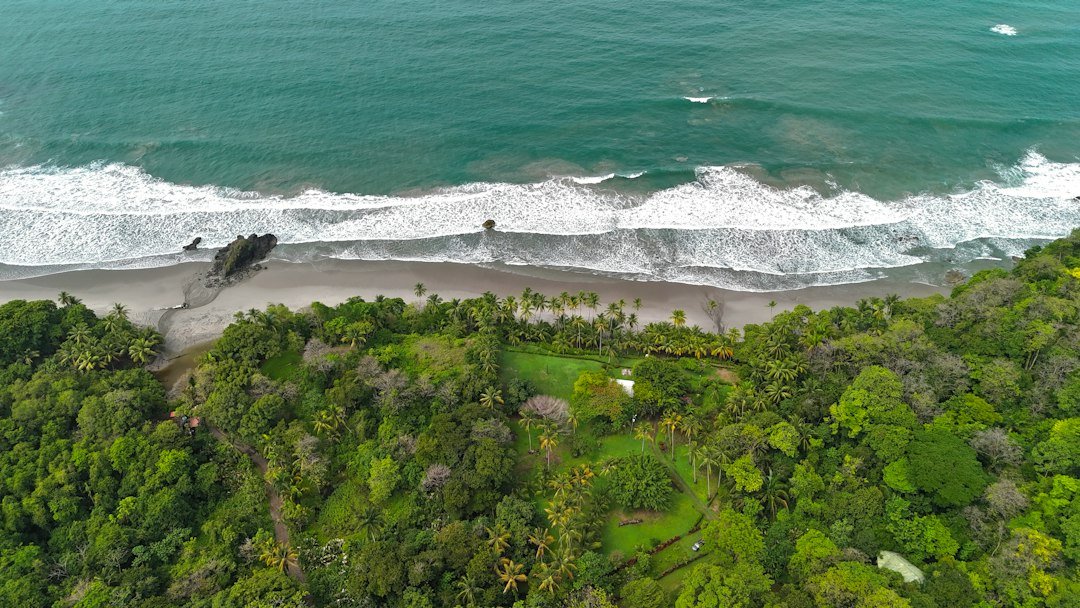
Costa Rica is small on a map, but it holds remarkable variety: dry forest and white beaches in the northwest, volcanoes and hot springs in the north, mist-covered mountains in the center, wild rainforest in the south, and a Caribbean coast with its own culture and rhythm. For first-time visitors, the biggest challenge is deciding where to go. This guide explains the main regions in plain language, what each is best for, and how to combine them without spending the whole trip in the car.
Guanacaste and the Nicoya Peninsula
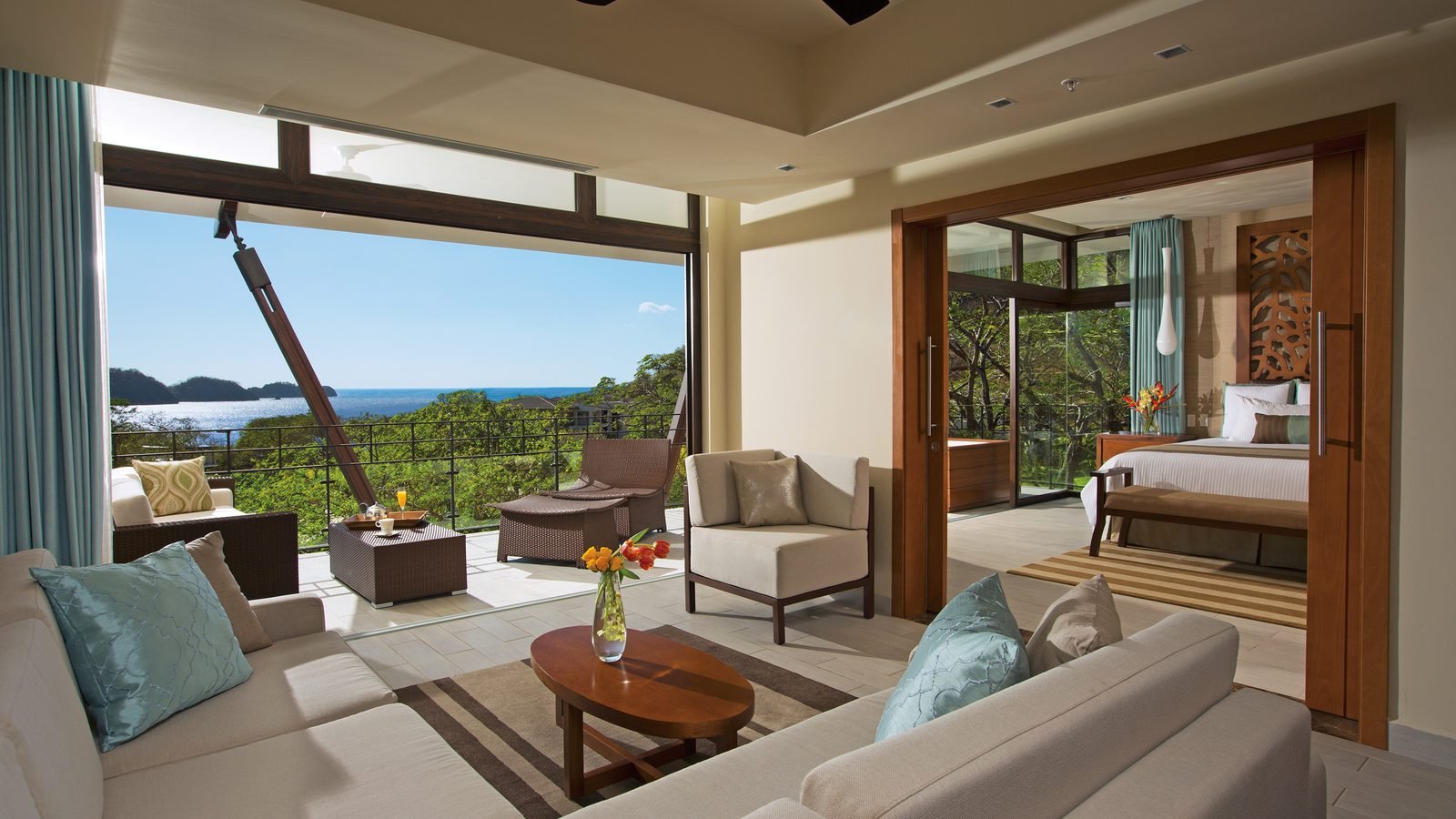
This is the northwest, with the country’s driest, sunniest weather and some of its most polished resorts and villas. It includes the Papagayo Peninsula, Tamarindo and the Gold Coast, and farther south the surf-and-yoga towns of the Nicoya Peninsula. It is the easiest region for beach stays, with Liberia airport as a gateway. Read Papagayo Peninsula and see Tamarindo.
The northern lowlands and Arenal
Inland from the northwest, this area is known for the Arenal volcano, hot springs, rainforest, waterfalls and adventure. It is warmer and wetter than the coast and works well as a two- or three-night stay, often combined with a beach. See La Fortuna and our guide to hot springs when it is published.
The central Pacific
Manuel Antonio and its surroundings combine national park, beaches, ocean-view hillsides and good infrastructure. It is closer to San José than the northwest, and it has a mix of resorts and villas. See Manuel Antonio, and compare it with Guanacaste in Guanacaste or Manuel Antonio.
The south Pacific and Osa
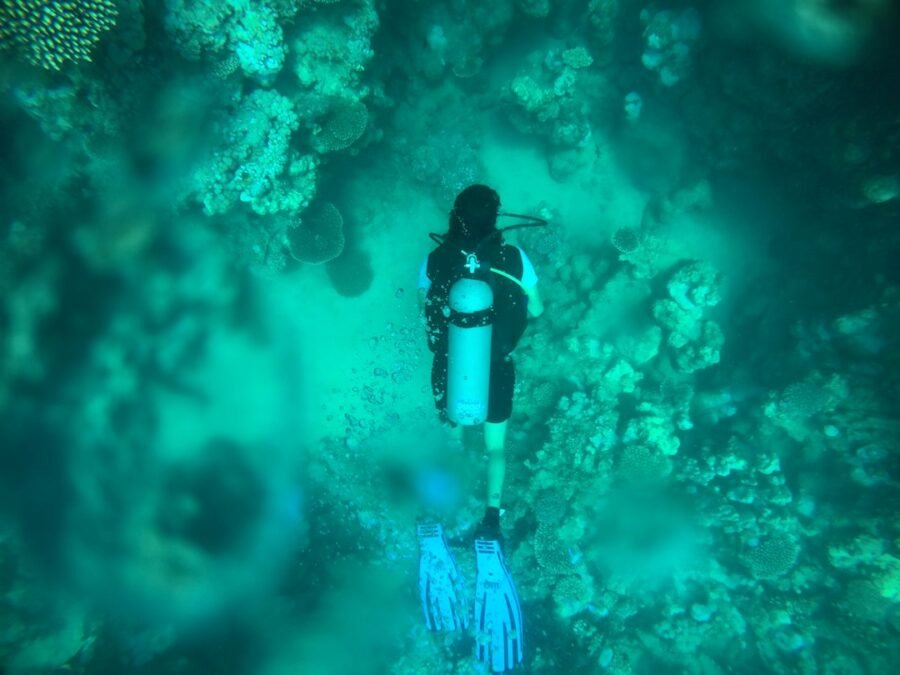
The south is wilder and quieter. Around Dominical and Uvita, hillside villas look over the ocean, and whale watching is a highlight. Farther south, the Osa Peninsula is remote and rich in wildlife, with the Corcovado National Park as its crown jewel. See Dominical.
The Caribbean coast
The Caribbean side has its own weather pattern, culture and cuisine, with beaches, coral reefs, canals and jungle. Its infrastructure for luxury is less developed than the Pacific coast, but it offers a distinct experience. See the Caribbean coast.
The Central Valley and the highlands
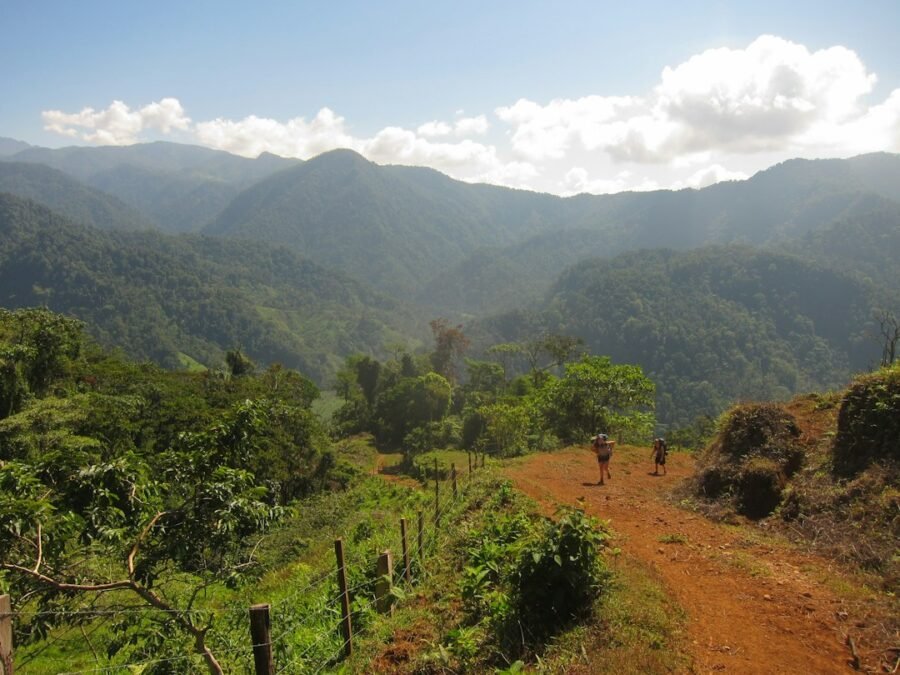
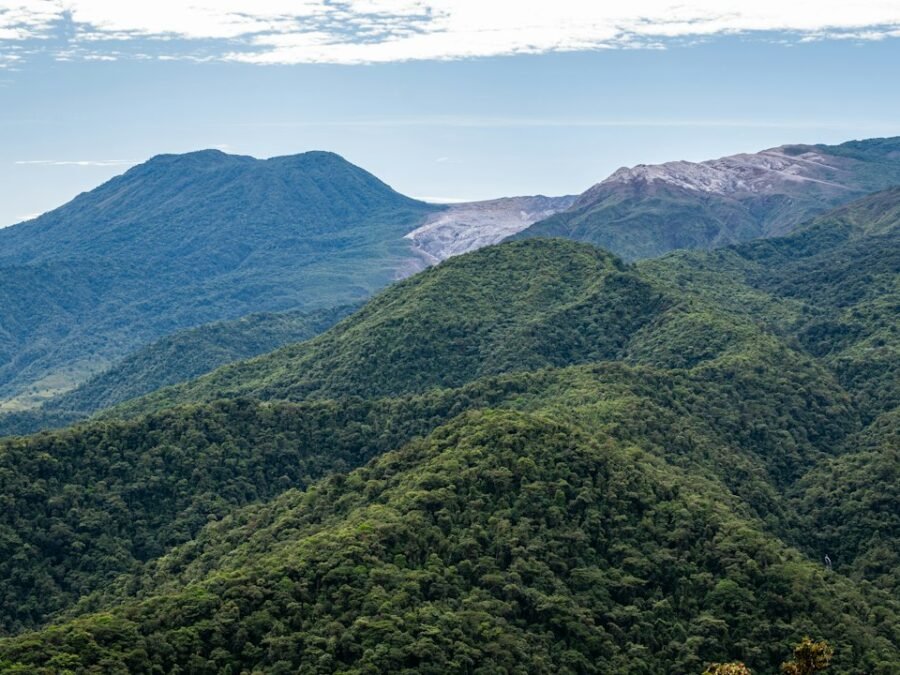
This is where most travelers land, around San José. The valley and mountains offer a mild climate, coffee farms, volcanoes and cloud forests, including Monteverde. They are good for culture, food and nature, and for a day or two of rest before or after a beach.
How to choose and combine regions
Start with the experience you want most: beach, volcano and hot springs, wildlife, culture or food. Choose one anchor region, and add one or two others only if they are easy to reach. Costa Rica’s roads are slower than they look on a map, so fewer, longer stays are usually better than many short ones. Domestic flights and private transfers can reduce travel time; see getting around Costa Rica.
As a rule of thumb, a ten-day trip works well with two or three bases, such as Arenal plus a Pacific beach. See how many days to spend in Costa Rica for a framework, and read where to stay in Costa Rica to compare areas in more detail. If you prefer a tailored selection, send us your request.
Mistakes first-time visitors make
The most common mistake is trying to cover too many regions. Distances look short on a map, but winding roads, rural traffic and weather can turn a two-hour drive into four. A trip with two or three bases will feel more relaxed and leave time to enjoy where you are.
Another mistake is ignoring seasonality. The weather pattern differs by region, so a plan that looks perfect for the Pacific may not suit the Caribbean. Check the calendar, and read when to visit Costa Rica before you finalize the route. Finally, do not underestimate the value of a private driver or a domestic flight for the longest legs, particularly with children or older relatives.
If you want an expert-built selection of villas and resorts for the regions you choose, browse our luxury resorts and private villas, and send us your request.
How to use this guide
- Pick two or three regions rather than five; Costa Rica rewards slower travel, and long drives eat into the days.
- Match each region to the experience you want most: beaches, volcanoes, cloud forest, wildlife or wellness.
- Check driving times with a local source, because distances look short on a map but roads are often winding.
- Allow at least three nights in each place, so you arrive, settle and still enjoy a full day.
Once you know your priorities, the map becomes much easier to read.
Plan your stay with Allure
Tell us your dates, the size of your group and the atmosphere you want, and we will prepare a tailored selection of villas and resorts. Send us your request or browse our luxury resorts and private villas.
Frequently asked questions
What is the best region of Costa Rica for a luxury trip?
It depends on your style. Guanacaste is best for beaches and polished resorts, Arenal for volcano and hot springs, and the south Pacific for privacy and nature.
How many regions should I visit?
For a ten-day trip, two or three bases is usually ideal.
Which region has the best weather?
The northwest has the driest, sunniest weather in the dry season. Other regions have their own patterns.
Can I combine regions easily?
Yes, with private transfers or domestic flights, but allow for travel time.