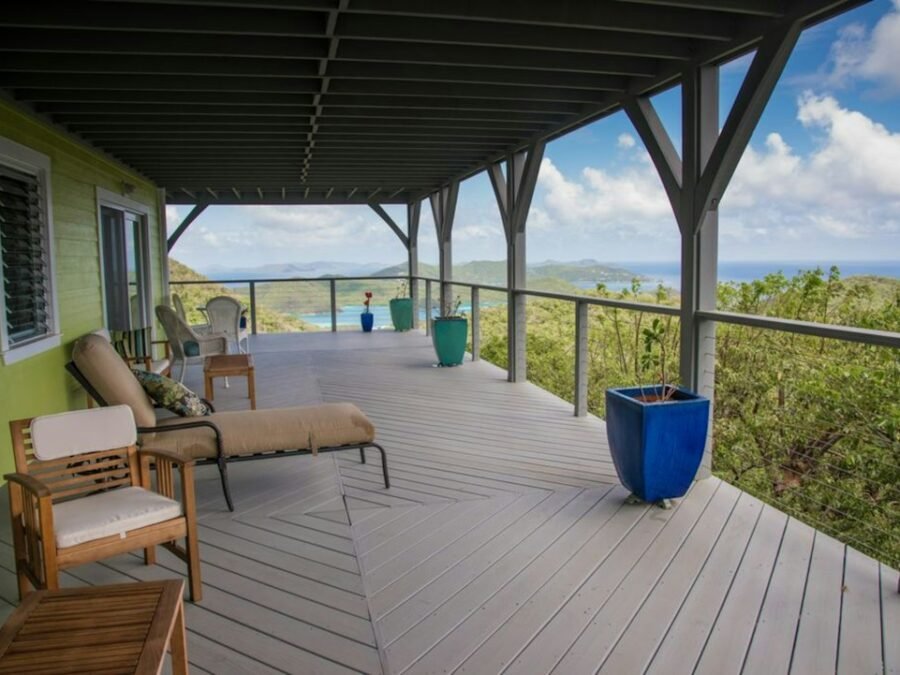
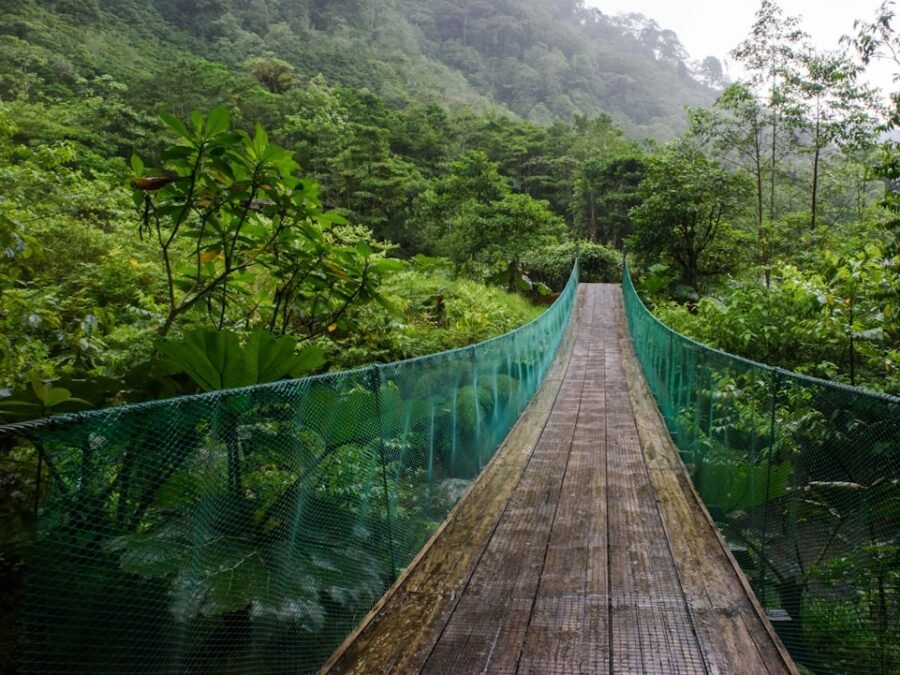
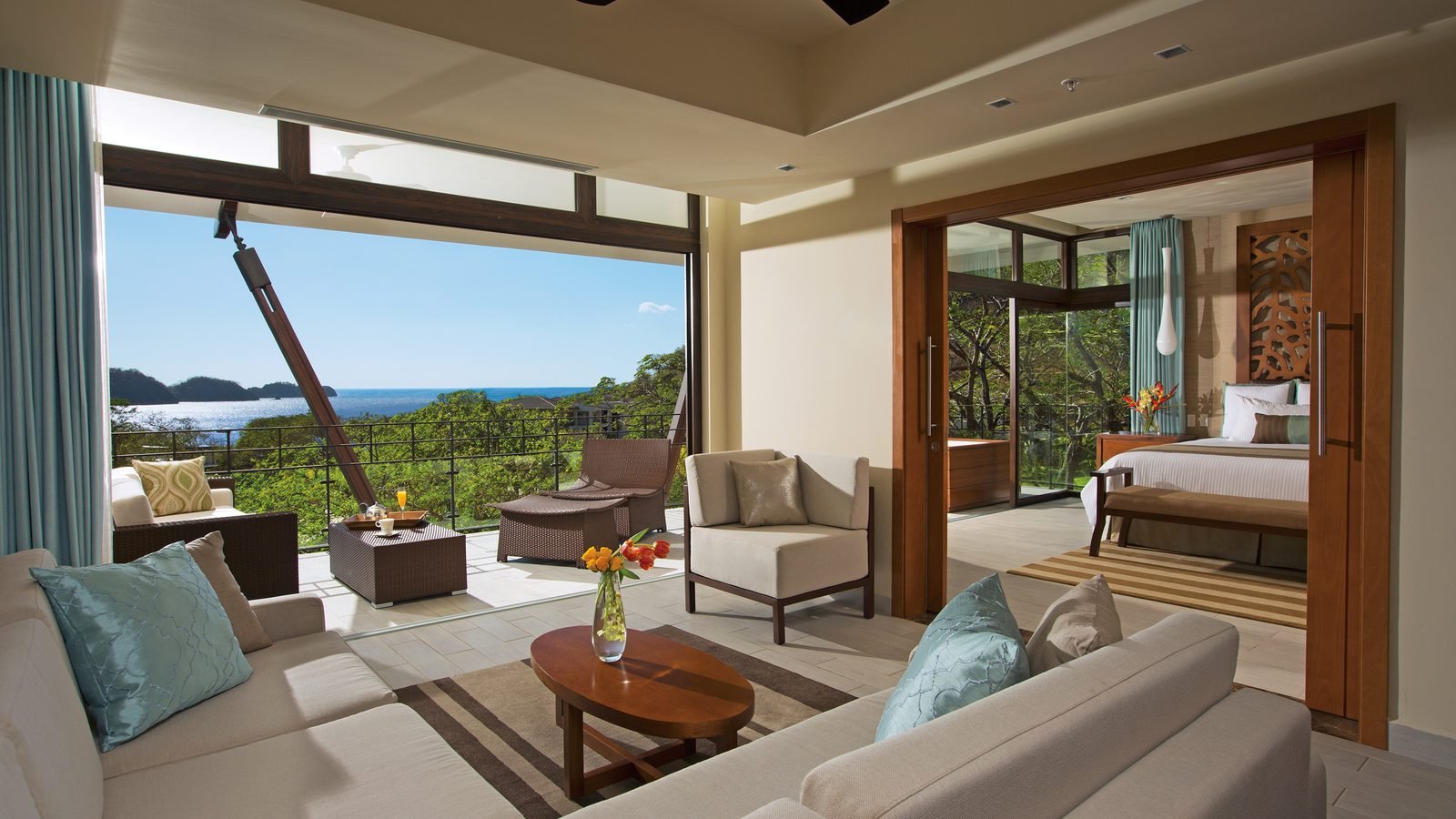
At sunrise, grandparents watch hummingbirds from the terrace while children listen for monkeys in the trees. Later, everyone gathers around an unhurried lunch. Multigenerational Costa Rica travel can create these rare shared memories, provided a family reunion is not mistaken for a compulsory group schedule. The most refined trips balance meaningful time together with privacy, rest and genuine choice for every age.
Start with our guide to where to stay in Costa Rica, then read how to assess a Costa Rica ocean-view villa. Compare our luxury vacation rentals, all-inclusive resorts and tailor-made packages.
Why Costa Rica works for several generations
Costa Rica brings wildlife, comfortable accommodation and flexible experiences together without requiring a fast touring style. In one region, active guests can explore a guided trail while others enjoy a garden, spa or gentle beach day. Distances look short on a map, yet road conditions can make transfers longer than expected. Limiting hotel changes is therefore the first comfort decision. Two carefully chosen bases often deliver more pleasure than an itinerary built around collecting destinations.
The trip works best when a family shares an intention rather than an identical timetable. Before booking, ask each traveller what they most want to experience, what they prefer to avoid and how much activity feels natural. Three common priorities usually emerge—wildlife, ocean and time around the table. Use these as the journey’s spine, then offer more physical or specialised outings as options rather than obligations.
Choose two genuinely complementary regions
For a first journey, pairing a volcanic or rainforest region with the coast creates a clear contrast. Arenal combines hot springs, hanging bridges, nature watching and easy downtime. Guanacaste adds beaches, sailing and a pronounced dry season. Manuel Antonio places forest and ocean close together, although crowds and steep terrain need consideration. The Osa Peninsula rewards nature-focused families but demands more deliberate logistics.
Do not select regions through photographs alone. Compare door-to-door time from the airport, final access roads, nearby healthcare and excursion lengths. When young children or a traveller with limited stamina is included, stays of at least three or four nights create room to settle. Keep the day after each major transfer light so the holiday does not become a cycle of packing and early departures.
Villa or resort: decide around family habits
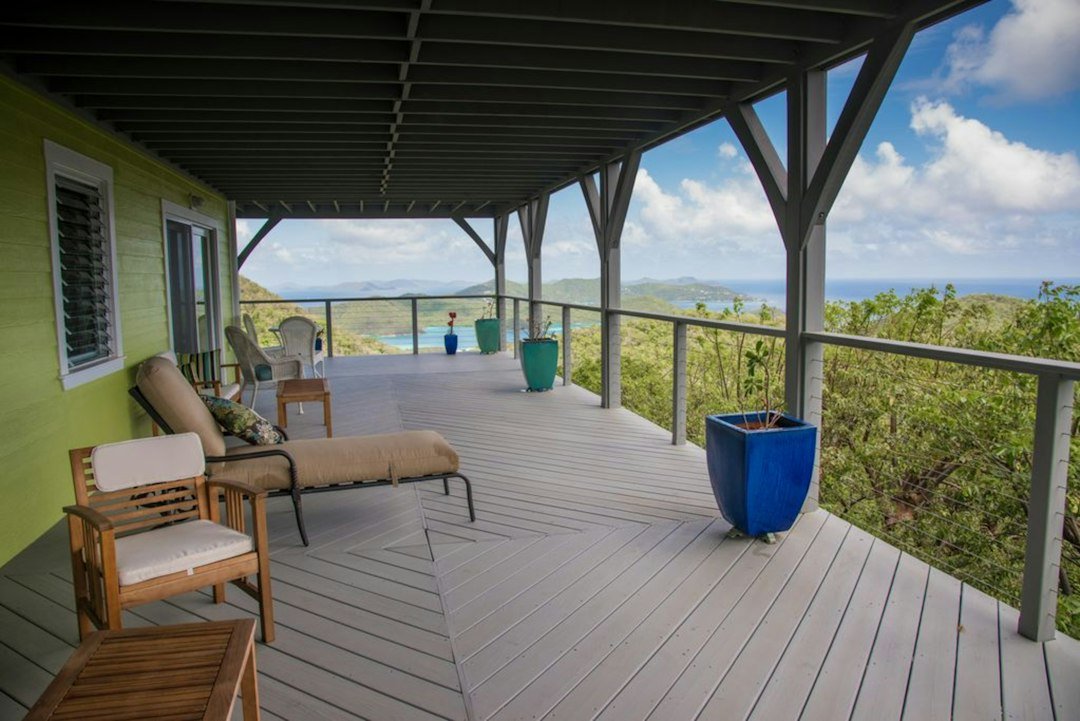
A private villa offers a shared living room, a kitchen, flexible meals and the freedom to gather without occupying a restaurant. It suits families who value privacy, naps and long conversations. A resort provides several restaurants, children’s facilities and immediate alternatives when interests diverge. It can reassure a group that prefers services to be available without planning every detail. Neither format is inherently more luxurious; suitability creates the feeling of luxury.
A villa without staff can quietly transfer work to the person already organising the family. A staffed property with chef, housekeeping and concierge turns the home into a meeting place rather than a domestic project. At a resort, check internal distances, stairs, dining schedules and whether nearby rooms can be confirmed without accepting noise. Ask what is guaranteed in writing and what remains only a request.
Bedrooms should protect everyone’s privacy
Request a floor plan, not simply a bedroom count. A detached suite may suit grandparents if it remains close to common areas and does not require a long staircase. Parents of young children may need connecting rooms; teenagers often appreciate a separate but secure space. Confirm bed types, bathrooms, blackout curtains, air conditioning, noise and the route between rooms after dark. No guest should cross another bedroom to reach essential facilities.
Allocate rooms before arrival with wake-up times, light sleeping and supervision needs in mind. A panoramic view does not compensate for thirty steep steps for someone with reduced mobility. Ask where staff quarters are located, whether terraces have appropriate railings and if a pool barrier can be installed. These practical details preserve ease and relationships as much as they protect safety.
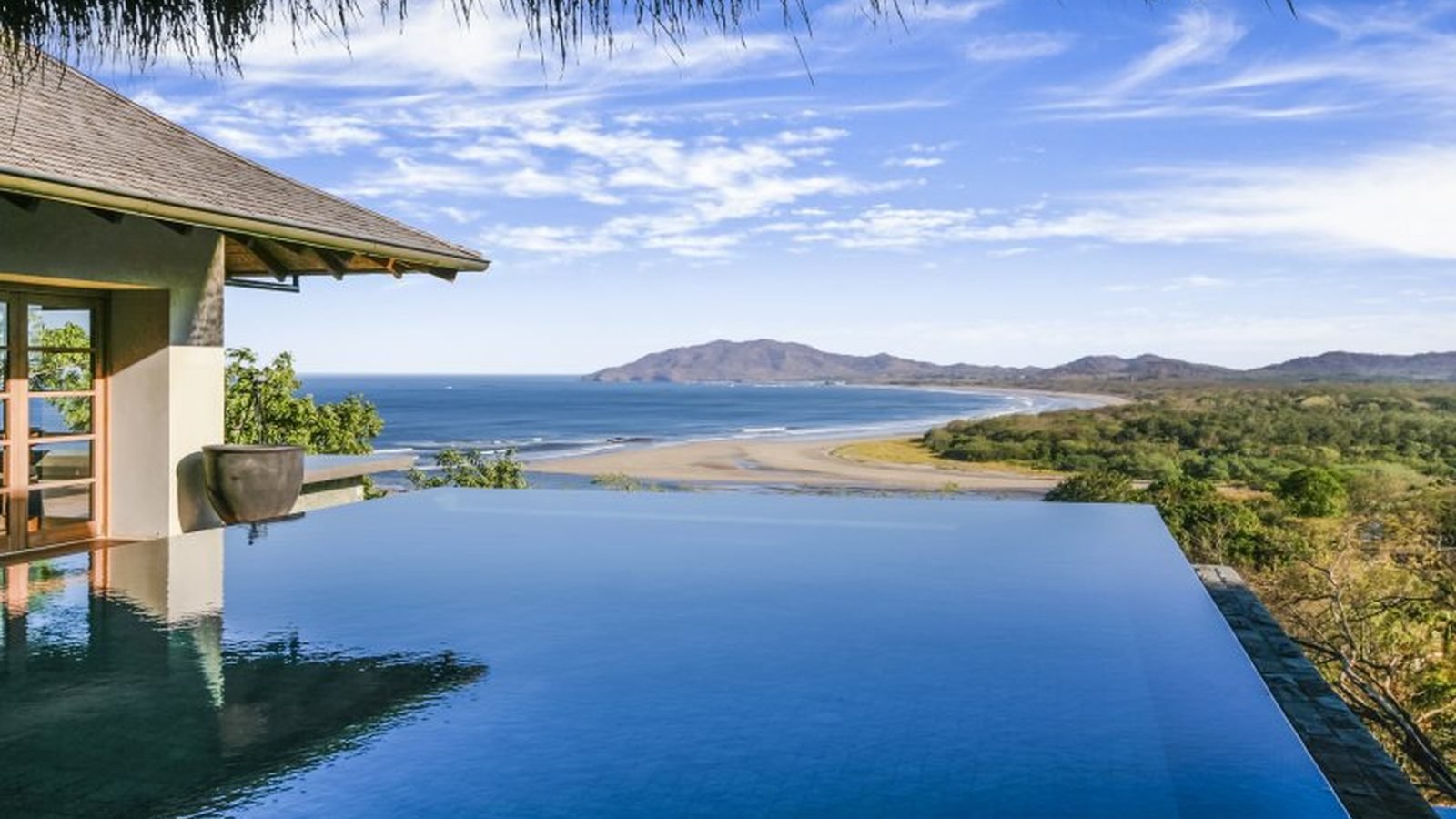
Build a two-speed daily rhythm
Plan one signature shared experience every other day instead of making morning and afternoon activities compulsory. A gentle wildlife boat trip, private naturalist walk or relaxed sailing excursion can engage several ages when duration, shade and breaks are adapted. Leave the intervening days open for the pool, a massage, the beach, a cooking lesson or a quiet book. This rhythm creates anticipation without turning the holiday into endurance.
Ask guides for a short and a long version of the same day. Some travellers may return after lunch while others continue. A private driver makes these branches possible, particularly when the group needs more than one standard vehicle. Do not present rest as missing out. In Costa Rica, watching the forest change from a terrace can be a complete experience in itself.
Meals, allergies and shared pleasure
Meals naturally anchor a family journey. A private chef can feed children earlier, adapt textures and dietary needs, and prepare a longer dinner for adults later. Confirm how groceries are charged, how many services are included and whether menus can be agreed before arrival. Report allergies, medication-related restrictions and strong preferences early. At a resort, investigate genuine variety, restaurant reservations and room-service hours rather than relying on a general all-inclusive label.
Keep several meals outside the property for local flavour, but avoid long evening drives. Lunch after an excursion is often easier than a late dinner. Arrange fruit, water, snacks and a few familiar items for arrival. This small preparation softens the first day, supports hydration in a new climate and prevents an immediate shopping trip when everyone is tired.
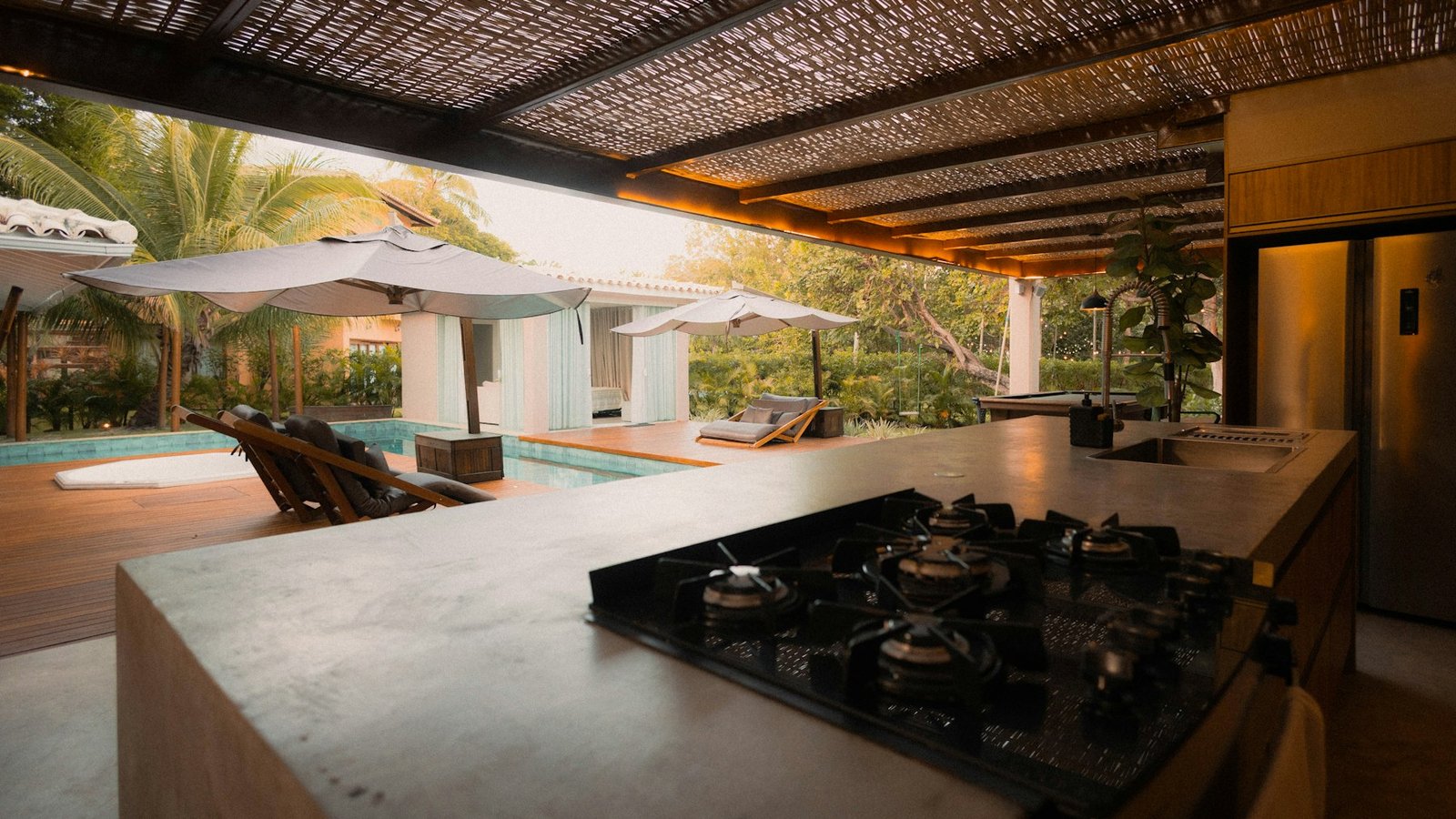
Mobility, transfers and real journey time
A private minibus with proper luggage capacity keeps the group together and prevents key information being split between vehicles. Confirm seat belts, child seats, air conditioning, comfort stops and suitability for mountain roads. Domestic flights can shorten selected routes but add luggage restrictions and ground transfers. Helicopter journeys can be exceptional for certain connections, subject to weather, weight limits and suitable landing sites. Each option should be assessed door to door.
Calculate travel from the actual property, not the theoretical centre of a destination. A hillside villa can add twenty minutes along a narrow road. Keep water, medication and light layers accessible during every transfer. If an international flight leaves early, a final night near the airport may be calmer than depending on a long road journey on departure morning.
Health and safety without burdening the holiday
Store emergency contacts, insurance details, medication and allergies in one shared document accessible to two responsible adults. Ask the accommodation for its nearest clinic and pharmacy and for the procedure during an outage or incident. Sun protection, suitable insect repellent, stable footwear and a modest first-aid kit cover most ordinary needs. The aim is not to make the trip anxious, but to ensure that simple information is available when needed.
For swimming, seek local advice about currents, tides and supervision; a beautiful beach is not automatically an easy swimming beach. Around a pool, no device replaces attentive adult supervision. Excursion descriptions should state duration, difficulty, heat exposure, bathroom access and the possibility of an early return. Responsible hosts explain limits clearly and offer a comfortable alternative.
Compare the total budget, not the nightly rate
Put accommodation, taxes, housekeeping, chef service, groceries, transport, excursions, possible gratuities and cancellation conditions in one table. A villa with a higher nightly price may be logical when it replaces several rooms, some restaurant meals and additional private spaces. A resort may provide greater predictability when many activities and meals are included. Ask for precise inclusions and for expenses that will be settled locally.
Agree how shared costs will be divided before departure. The conversation becomes easier when it happens early and transparently. One lead traveller may approve services, but everyone should understand the agreed scope. Keep a reserve for a private outing, celebratory dinner or last-minute adjustment. Comfort often comes from being able to change plans without destabilising the entire budget.
The Allure perspective
For every decision, ask two questions: can everyone participate comfortably, and do those who prefer to rest have a genuinely appealing alternative?
A practical family-planning table
| Decision | Confirm | Purpose |
|---|---|---|
| Regions | Two bases and real transfer time | Reduce fatigue |
| Accommodation | Floor plan, steps, rooms | Protect privacy |
| Experiences | Flexible duration and level | Respect every age |
| Services | Chef, housekeeping, driver | Remove hidden workload |
| Safety | Pool, beach, nearby clinic | Prepare without anxiety |
Bring people together without forcing sameness
Successful multigenerational Costa Rica travel protects relationships as carefully as it protects time. Two coherent regions, genuinely suitable accommodation, a handful of memorable experiences and generous room for individual choice are often enough. Quality is not measured by the number of activities, but by how easily each person finds a comfortable rhythm and returns with a story to share.
To design a journey around your family’s ages, mobility and interests, contact Allure Costa Rica. We will build a verified shortlist and a clear, flexible plan rather than impose a standard programme.