Costa Rica has long been a destination for yoga and wellness, and a private villa is one of the most flexible ways to host a retreat. Whether you are a teacher bringing a group, a studio planning an annual trip or a group of friends who want a week of practice, a villa gives you privacy, a kitchen and a space you can shape. This guide covers what to look for in a property, how to choose a region and how to build a week that feels restorative.
Why a villa works for a retreat
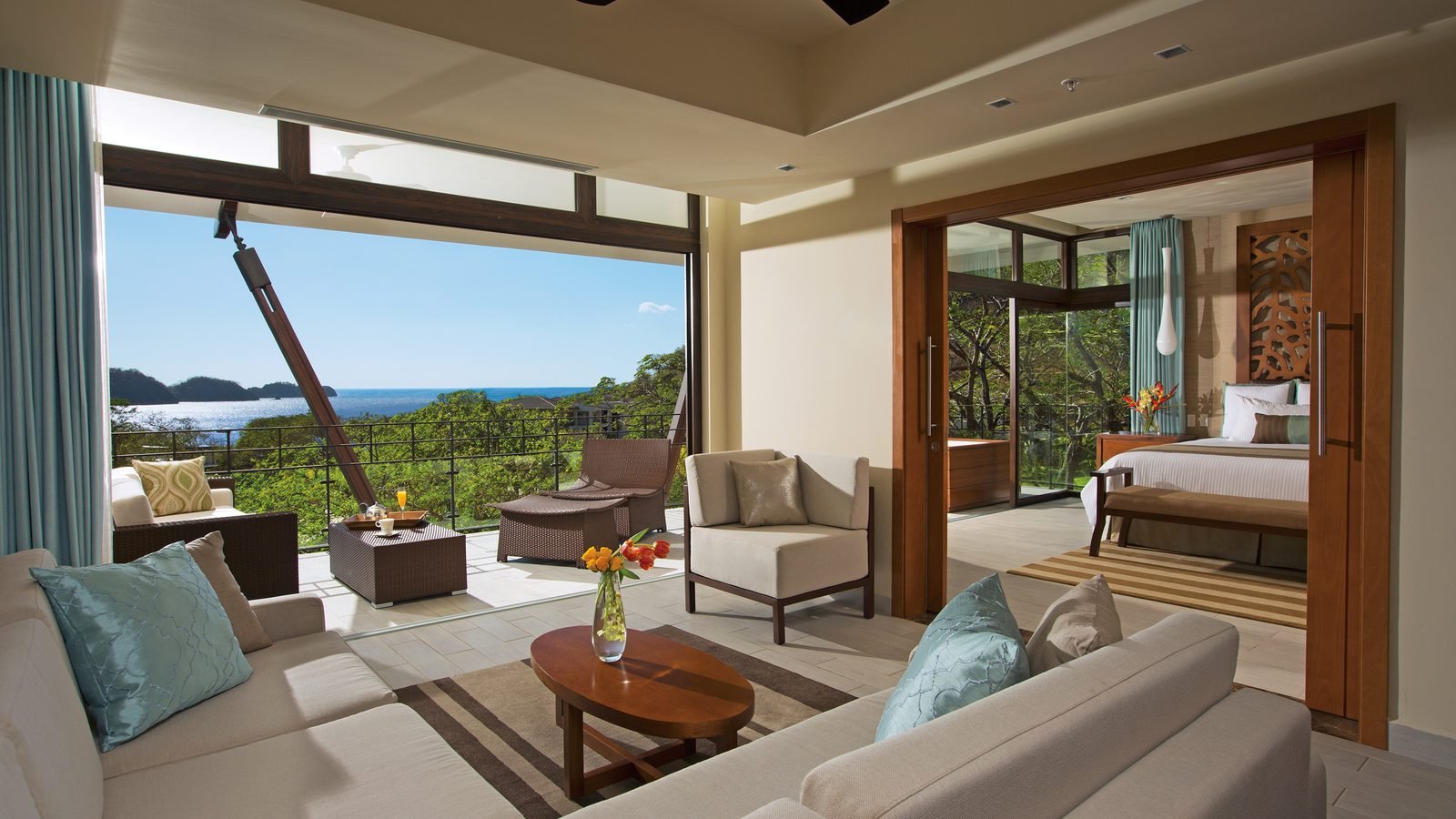
A villa offers something a hotel rarely can: a private setting where your group sets the rhythm. You control the schedule, the meals and the music, and you can use the terraces, garden and pool as part of the practice. A smaller group also feels more connected. The trade-off is that you handle more of the organization, so choose a property with a good manager and a reliable staff.
The practice space
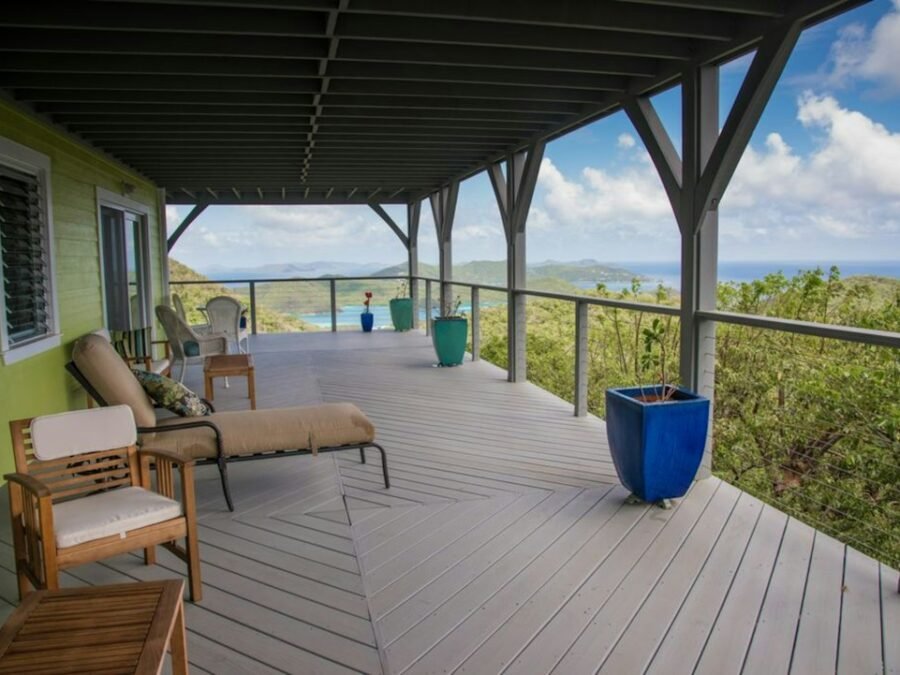
- A flat, covered area large enough for mats with space between them; a terrace, a shala or a large living room.
- A quiet location, away from roads, with limited noise from neighbors.
- Good ventilation and shade, with the option of air conditioning for the hottest hours.
- A floor that is clean and comfortable, such as wood or tile; ask about the surface.
- Storage for mats, bolsters and blocks, or confirmation of what the villa can provide.
- Outdoor space for sunrise or sunset sessions.
Ask for photos and measurements of the space, and ask the owner whether group classes are allowed.
Group size and rooms
Most villa retreats host six to sixteen guests. Decide whether guests will share rooms, which affects the price, and check bed types and bathrooms. The teacher or host may need a separate room for preparation. Browse our luxury homes for rent in Costa Rica and homes for groups to find homes that fit the group.
Where to hold it
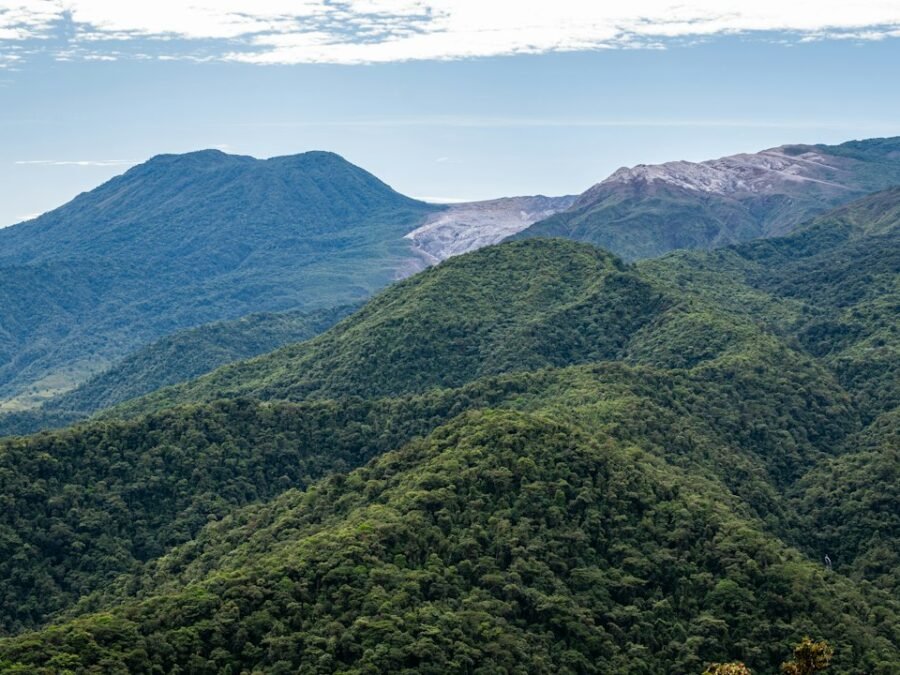
The Nicoya Peninsula, around Santa Teresa and Nosara, has built its reputation on yoga and surf, with studios, juice bars and a relaxed atmosphere; see our Santa Teresa guide and our Nosara guide. The Southern Pacific, around Uvita and Ojochal, is quieter and greener; see our Uvita guide and our Ojochal guide. The Osa Peninsula offers wilderness for those who want to be immersed in nature; see our Osa Peninsula guide.
Meals and wellbeing
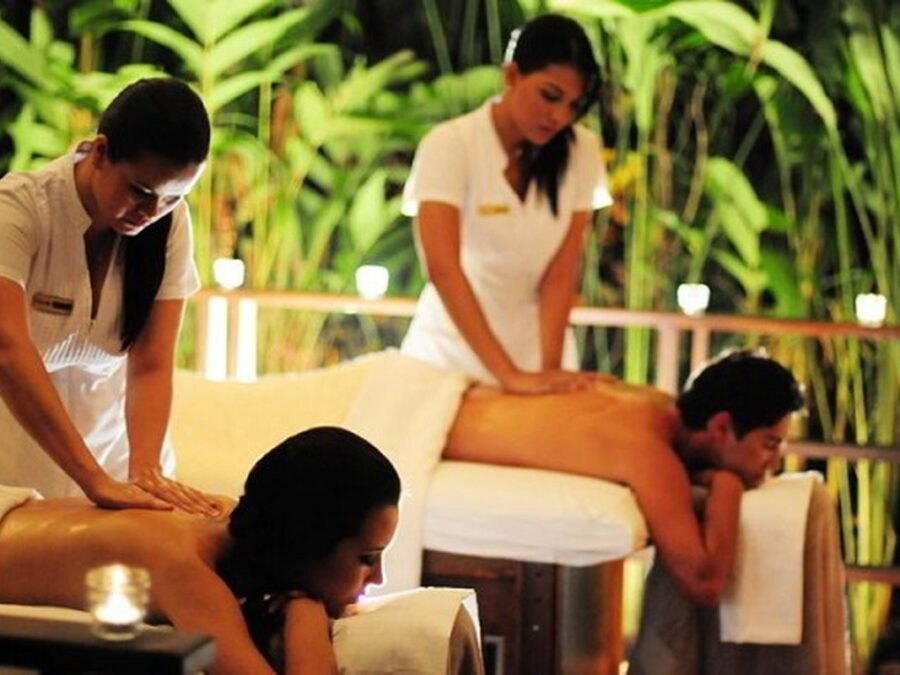
Food is part of a retreat. A private chef can prepare fresh, plant-forward menus based on local fruit, vegetables and fish; see private chef in a Costa Rica villa for what to confirm. Share allergies and preferences early, and agree on the meal schedule around your classes. Many groups add massage, a sound bath or a guided walk, which can often be arranged through the villa team.
A sample daily rhythm
- Early morning: quiet time and a sunrise practice.
- Breakfast: fruit, eggs and fresh juice at the table.
- Late morning: free time, a swim or a short workshop.
- Lunch: a light meal, followed by rest.
- Late afternoon: a second, gentler class or a walk to the beach.
- Evening: dinner, conversation and early sleep.
Seasons and practicalities
The dry season, roughly December to April, offers the most reliable weather and the highest prices. The green season brings quiet days, lush landscapes and good availability; see when to visit Costa Rica. Plan flights and transfers so guests arrive in daylight, and share a clear packing list: light clothing, a hat, insect repellent and a reusable water bottle. Check entry requirements with official sources before travel.
Before you book
Ask the owner about group classes, noise rules, extra guests, cancellation and what is included. Confirm staff hours, cleaning and whether the property has a first-aid kit. For help comparing homes that fit your group, send us your request.
Tips for first-time retreat hosts
- Visit the property virtually before booking: ask for a video walk-through of the practice space, bedrooms and outdoor areas.
- Build in a buffer day at the start for arrival delays, and avoid scheduling a class on the day of the longest transfer.
- Send participants a welcome guide with the schedule, the packing list, tipping norms and emergency contacts.
- Keep the first and last classes gentle; travel takes more out of the body than most guests expect.
- Ask the villa team about nearby healers, massage therapists and guides, and book them early.
- Plan an indoor option for the rainiest afternoons, such as a restorative class, journaling or a cooking session with the chef.
A retreat works best when the space, the food and the pace support the practice. If you would like help shortlisting villas that can host a group, send us your request.
Plan your stay with Allure
Tell us your dates, the size of your group and the atmosphere you want, and we will prepare a tailored selection of villas and resorts. Send us your request or browse our luxury resorts and private villas.
Frequently asked questions
Can I teach classes in a rental villa?
Many owners allow it, but ask in advance about group classes, guest numbers and any extra fees.
What size is ideal for a villa yoga retreat?
Most retreats host six to sixteen guests, depending on the space.
Which region is best for yoga in Costa Rica?
Santa Teresa and Nosara are known for yoga, while Uvita and Ojochal are quieter.
Can a villa provide healthy meals?
Often yes, through a private chef. Share dietary needs and the class schedule in advance.